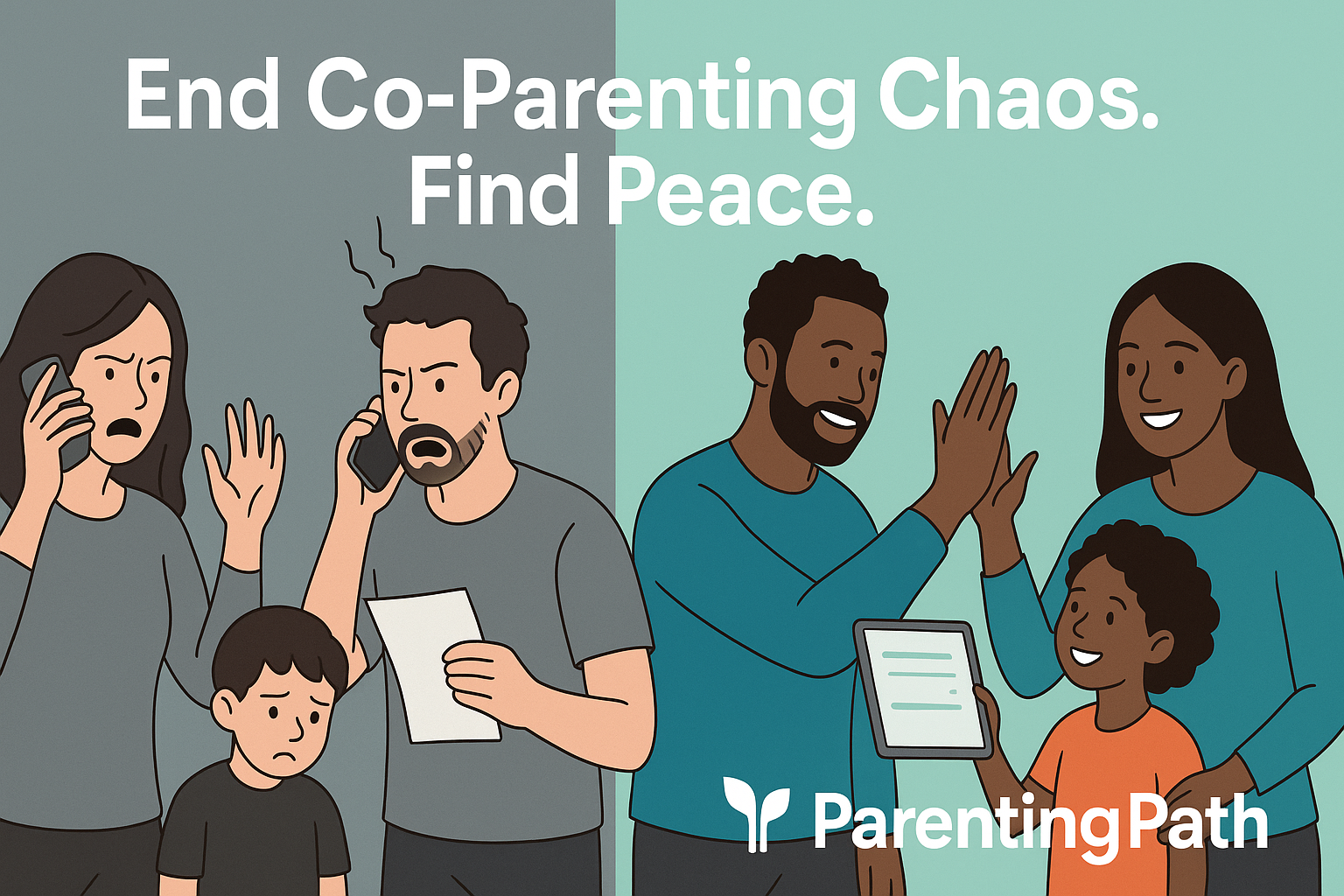
Divorced or separated parents often face the challenge of deciding how to raise their children together. Two common parenting approaches are co-parenting and parallel parenting.
Co-parenting involves active cooperation and communication between parents, while parallel parenting focuses on minimizing contact to reduce conflict.

Each approach suits different family situations. Co-parenting works best when parents can communicate respectfully and share decisions, creating a stable environment for the child.
Parallel parenting is ideal when parents have high conflict or difficulty working together but still want to stay involved in their child’s life.
Key Takeaways
- Parents communicate frequently in co-parenting but limit contact in parallel parenting.
- Co-parenting requires cooperation, while parallel parenting supports independence.
- Choosing the right approach depends on conflict levels and children’s emotional needs.
Defining Co-Parenting and Parallel Parenting

After a divorce, parents often choose different ways to raise their children apart. Some work closely together, while others keep their distance to reduce conflict.
Both approaches aim to support the child’s well-being but follow very different paths.
What Is Co-Parenting?
Co-parenting is when divorced parents cooperate and communicate regularly about their child’s needs. They share responsibilities and attend events together when possible.
The goal is to make decisions as a team. In this setup, parents solve problems together and maintain a respectful relationship.
They exchange information openly, whether about school, health, or activities. This method works well when parents can manage conflicts calmly and put the child’s interests first.
Key points of co-parenting include regular communication, joint decision-making, and shared involvement in the child’s life. It helps children feel stable because both parents stay actively engaged without tension.
What Is Parallel Parenting?
Parallel parenting is designed for high-conflict situations where parents cannot work together well. It involves minimal interaction between them to reduce stress for the child.
Parents keep their roles separate. Each handles their own schedule, attends events alone, and shares only necessary information, often in writing.
They avoid direct contact unless urgent issues arise. This method sets clear boundaries.
Drop-offs and pick-ups happen without face-to-face meetings. It offers the child stability but recognizes that cooperation between parents isn’t possible.
Parallel parenting often means one parent may have more primary authority depending on custody arrangements. The focus is on protecting the child from parental conflict rather than joint decision-making.
The Co-Parenting and Parallel Parenting Continuum
Parenting after divorce doesn’t always fit perfectly into one style. There is a range between co-parenting and parallel parenting based on how much parents communicate and interact.
Some families merge both approaches. For example, parents might share drop-offs but avoid attending events together.
Others improve over time, moving from parallel to more cooperative co-parenting. The choice depends on factors like the level of conflict, communication skills, and the child’s needs.
Understanding where a family falls on this continuum helps create a plan that prioritizes the child’s emotional and physical well-being.
Core Differences Between Co-Parenting and Parallel Parenting

Co-parenting and parallel parenting take very different approaches to raising children after separation. Their differences lie mostly in how parents communicate, share time with their children, and how these styles affect the child’s well-being.
Communication Styles and Decision-Making
In co-parenting, communication is frequent and open. Both parents discuss school, health, and social activities regularly.
Decisions about education, healthcare, and major life choices are made together, reflecting a shared responsibility. Flexibility and cooperation are key.
Parallel parenting limits communication to essentials only. Parents avoid direct contact and usually communicate through written messages or specialized apps.
Each parent makes daily decisions independently during their own parenting time. Major decisions often require third-party help or court intervention to avoid conflict.
Difference at a glance:
| Aspect | Co-Parenting | Parallel Parenting |
|---|---|---|
| Communication Style | Open, frequent, collaborative | Minimal, written, structured |
| Decision-Making | Shared, joint | Independent, unilateral |
Parenting Time and Shared Activities
Co-parenting encourages flexibility in parenting time and shared events. Parents may attend school meetings, birthday parties, or parent-teacher conferences together.
The parenting plan often adapts to the child’s changing needs, supporting consistency across homes. Parallel parenting follows a strict schedule to minimize interaction.
Each parent manages their household independently, handling routine care during their allotted time. Shared activities or events involving both parents are rare to avoid conflict.
This style creates clear boundaries but may make the child experience differences in rules and routines between homes.
Impact on Children’s Well-Being
Co-parenting aims to provide a united front, offering children stability and emotional security. Consistent rules and joint parenting foster trust and reduce confusion about expectations.
It models healthy conflict resolution and cooperation. Parallel parenting protects children from parental conflict by keeping parents apart.
However, it can lead to inconsistent parenting styles, which might confuse children or affect their sense of stability. It reduces emotional stress by avoiding arguments but may limit emotional closeness with both parents.
Transitioning Between Parenting Styles
Shifting from parallel parenting to co-parenting usually requires improved communication, often with mediation or therapy help. Introducing structured communication tools and setting clear boundaries supports this transition.
Moving from co-parenting to parallel parenting may be necessary if conflict escalates or communication breaks down. Parents then focus on clear schedules and limiting interactions to reduce tension.
This transition must always prioritize the child’s stability and well-being. Parents should be open to revisiting their parenting plan as circumstances change.
When to Choose Co-Parenting

Co-parenting works best when both parents can communicate openly and cooperate on decisions. It involves sharing responsibilities and staying involved in all aspects of their children’s lives.
This approach is most effective when conflicts are low and priorities focus on stability and consistency for the children.
Indicators Co-Parenting Is Appropriate
Co-parenting is suitable when both parents can interact calmly and respectfully. It requires mutual trust and willingness to work together on important issues like school events, health care, and extracurricular activities.
If parents can agree on schedules and make joint decisions, co-parenting is often the best choice. Other signs include a shared commitment to the children’s well-being and the ability to set personal differences aside.
When communication is open—whether through phone, email, or in person—and parents follow through on agreements, co-parenting can provide a stable environment for children after divorce.
Benefits of Co-Parenting
Co-parenting helps children feel supported by both parents equally. It promotes consistency in routines, which reduces stress for children adjusting to parenting after divorce.
When parents collaborate, children often experience less confusion and more security. In addition, co-parenting encourages active involvement in school events and extracurricular activities from both parents.
This shared participation supports children’s growth and social development. It also models respectful conflict resolution, showing children how adults can cooperate even after separation.
For families that can maintain open lines of communication, co-parenting tends to create a healthy balance of shared responsibility and emotional support for the children’s needs.
When to Choose Parallel Parenting
Parallel parenting works best when parents face ongoing conflict or safety concerns that make cooperation difficult. It relies on clear rules and limits contact to protect children’s well-being and create stability in separate households.
High-Conflict Situations and Safety Considerations
Parallel parenting is ideal in cases where communication quickly leads to arguments or emotional harm. When parents cannot separate personal issues from decisions about child custody or parenting agreements, this approach reduces the chance of conflict affecting the children.
Situations involving domestic abuse, significant distrust, or boundary violations often call for parallel parenting. It limits interaction, often requiring parents to use written communication like emails or specialized apps, which can help keep exchanges focused on necessary topics such as health care or extracurricular activities.
This approach helps prevent children from witnessing disputes or feeling caught in the middle, which supports a calmer, safer environment in both homes.
Advantages and Limitations
The main advantage of parallel parenting is reducing conflict while allowing each parent clear authority during their time with the children. It provides structure through detailed parenting plans that clarify schedules and responsibilities, minimizing confusion.
However, parallel parenting can limit flexibility and leave children with less consistency between homes. Different rules or routines may confuse younger children.
Since parents do not collaborate closely, children rarely see their parents working together, which can affect their sense of unity.
Despite these limits, parallel parenting often acts as a protective step when cooperation is not possible, helping families manage child custody without harmful confrontation.
The Role of Parenting Plans and Legal Agreements
A parenting plan or agreement is crucial after separation or divorce. It outlines how parents will share responsibilities and make decisions about their children.
These plans help reduce conflict and provide clear rules about custody, communication, and daily care.
Key Elements of a Parenting Plan
A solid parenting plan should specify three main areas: custody arrangements, decision-making authority, and communication methods. Custody arrangements cover where and when the child will live with each parent.
Decision-making describes who handles education, health care, and other major choices. Communication protocols help parents stay in touch and resolve issues.
Conflict resolution methods, such as mediation or counseling, may also be included. A detailed plan reduces misunderstandings and helps parents create a stable, supportive environment for their children.
Tailoring Agreements to Family Needs
Parenting plans vary based on each family’s situation. Factors like the level of parental conflict, the child’s age, and work schedules affect how the plan is shaped.
Families with frequent conflict might use parallel parenting, limiting direct contact between parents. Some agreements allow flexibility to adjust as circumstances change.
It is important the plan fits the child’s best interests and supports their emotional and physical well-being. Courts often encourage customized plans to meet these unique needs while ensuring that legal requirements in family law are met.
Frequently Asked Questions
Co-parenting involves working closely together in raising children, while parallel parenting keeps parents mostly separate to reduce conflict. Each approach has different ways of handling communication, boundaries, and effects on children’s well-being.
What are the defining characteristics of co-parenting?
Co-parenting is when both parents actively work together in making decisions about their children’s care. They communicate openly, share responsibilities, and try to agree on important matters like schooling and healthcare.
This method requires respect, flexibility, and cooperation between parents to create a stable environment for their children.
How does parallel parenting differ from co-parenting in terms of communication?
Parallel parenting limits communication between the parents to avoid conflict. They interact mainly about logistical details and try to keep emotional distance.
Unlike co-parenting, where parents collaborate frequently, parallel parenting creates a “firewall” so each parent manages their own household independently.
What are the potential impacts of parallel parenting on child development?
Parallel parenting can offer more peace by reducing parental conflict, which helps protect children from stress caused by ongoing arguments.
However, children might experience less coordination between parents, which can sometimes lead to confusion or inconsistency in rules and routines between homes.
Which method is more effective for managing high-conflict situations: co-parenting or parallel parenting?
Parallel parenting is generally more effective when parents cannot communicate without arguments. It minimizes contact and reduces opportunities for conflict, which benefits the child.
Co-parenting works best when both parents can maintain respect. It is suitable for parents who can work together without frequent disputes.
Can you establish effective boundaries with parallel parenting when dealing with a difficult ex-partner?
Yes, parallel parenting depends on clear and strong boundaries. Each parent manages their own relationship with the child separately without trying to control or interfere with the other.
This helps limit emotional triggers. It keeps interactions focused on practical matters to protect all involved from further conflict.
What are the psychological effects on children who are raised under a parallel parenting arrangement?
Children in parallel parenting often feel more stable when parental conflict is low. This reduces anxiety about their family situation.
They might miss out on seeing their parents cooperate. This can affect their sense of family unity.