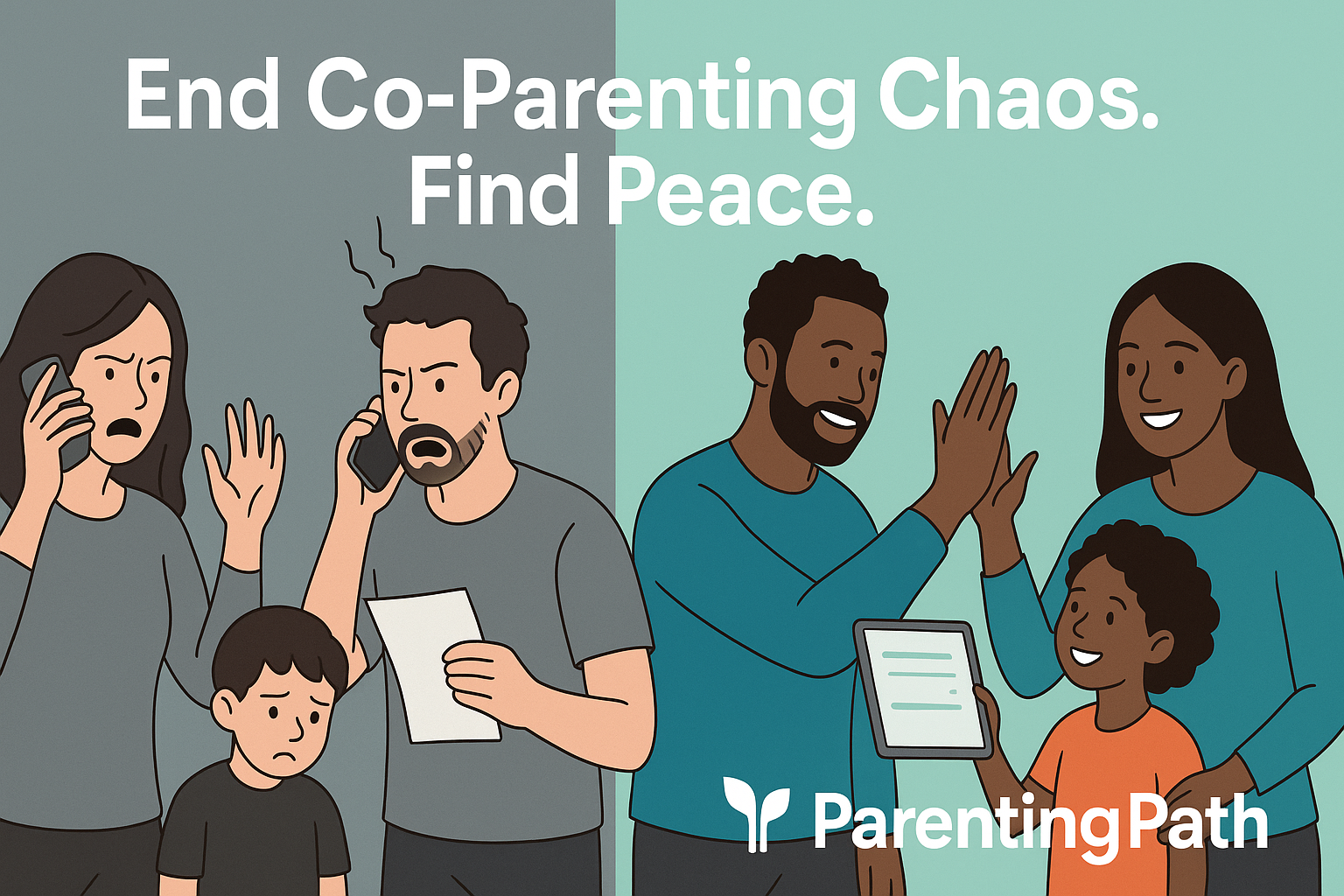
Custody handoffs can be stressful moments for everyone involved. Staying calm during these exchanges is possible and important.
The key to remaining calm is focusing on clear preparation, managing emotions, and keeping the child’s well-being the top priority. When parents approach handoffs with a steady mindset, the process becomes smoother and less tense.

Simple actions like planning ahead, arriving on time, and limiting direct conflict can help reduce anxiety. It also helps to keep communication brief and respectful, avoiding any arguments during the exchange.
By maintaining these habits, parents create a safer and more predictable environment for their child.
Building emotional strength over time makes custody handoffs less draining. Using techniques to stay grounded and following any legal guidelines can improve the experience for everyone.
Key Takeways
- Preparation and timing reduce stress during handoffs.
- Keeping communication brief helps avoid conflict.
- Emotional control improves with consistent practice.
Understanding the Importance of Calm Custody Handoffs
Calm custody handoffs play a crucial role in creating a stable environment during transitions. When parents manage these moments carefully, they can protect the child’s emotional state and reduce tension.
Impact on the Child’s Well-Being
The child’s well-being is directly affected by how custody exchanges are handled. A calm handoff helps lessen confusion and anxiety that children often feel during transitions.
When parents remain composed, children feel safer and more secure, which supports their emotional health. Stress during exchanges can cause children to act out or struggle with school and social relationships.
Consistent, calm exchanges help build trust and stability. This reduces the chance of long-term emotional issues such as anxiety or withdrawal.
Prioritizing the child’s comfort by keeping exchanges peaceful supports their ability to adjust between homes smoothly.
Minimizing the Effects of Stress and Anxiety
Stress and anxiety are common during custody handoffs but can be managed effectively. Parents who stay calm set a tone that reduces emotional spikes for everyone involved.
Methods like planning exchanges ahead, using neutral locations, and avoiding confrontations help keep stress low. Techniques such as deep breathing, focusing on the child rather than conflicts, and having a clear plan can ease anxiety.
High conflict parents may benefit from involving third parties to handle exchanges safely. By minimizing stress, parents protect the child’s mental health and reduce the risk of escalating arguments.
Setting the Tone for Future Interactions
Each custody handoff sets a pattern for future communication. Calm interactions encourage respectful dialogue and cooperation between parents.
When parents avoid emotional reactions and stick to agreed routines, it signals maturity and respect. This creates an environment where problems can be solved without involving the child.
Clear communication outside the child’s presence supports this calm dynamic, showing the child that disputes will not disrupt their stability.
For more on how to reduce conflict during handoffs, see tips for avoiding problems during child custody handoffs.
Preparation Strategies to Reduce Anxiety
Careful preparation helps lower stress and keep custody handoffs calm. Focusing on steady routines, safe meeting places, and clear plans builds confidence and reduces anxiety for everyone involved.
Establishing Consistent Routines
Keeping handoffs on a regular schedule helps children and parents feel more secure. Predictable times for pickups and drop-offs reduce confusion and last-minute stress.
Children respond well when their daily life has clear patterns, so sticking to the same days and times supports their emotional stability. Parents should agree on exact handoff times and stick to them as closely as possible.
Changing plans often adds unnecessary anxiety. Sharing a simple calendar or reminder system can keep everyone informed and minimize missed appointments.
Consistent routines also allow parents to mentally prepare for the exchange, helping manage stress before and during handoff.
Choosing Safe and Neutral Locations
Picking a secure, neutral place for custody exchanges lowers tension and protects all parties. Busy public spots like parks, community centers, or well-known landmarks offer safety and reduce chances of conflict.
Neutral spaces keep the focus on the child rather than on any disagreement between parents. The location should be easy to reach and child-friendly to help children feel comfortable.
Parents should avoid private homes or places tied to conflict. Being in a well-lit, public area helps everyone remain calm and respectful.
If safety is a concern, choosing locations with video cameras or personnel nearby adds extra security.
Clear Communication About Plans
Clear, direct communication before handoffs reduces misunderstandings and eases anxiety. Parents should confirm plans well ahead of time, including exact times, locations, and any special instructions.
Writing down or texting this information helps avoid confusion. Discussing and agreeing on what to bring, such as clothing, school supplies, or medications, prevents last-minute problems.
Staying focused on facts and keeping emotions out of messages supports calm exchanges. Using a co-parenting app or email can create a record of plans, which helps manage stress by reducing uncertainty and miscommunication.
For more details on managing stress during custody transitions, see effective coping strategies.
Practical Tips for Calmness During Handoffs

Staying calm during custody handoffs requires clear strategies that focus on the child’s needs and reduce direct conflict. By setting boundaries and using thoughtful planning, parents can manage tense moments more effectively.
Staying Focused on the Child
Focusing attention fully on the child helps reduce tension. Parents should direct conversations and actions toward the child’s comfort and safety instead of grievances or past conflicts.
Keeping eye contact with the child and offering reassuring words can provide stability during the transition. Parents should avoid discussing custody disputes in front of the child.
Instead, they can use positive language that reinforces the child’s relationship with both parents. This focus lowers the chance of emotional upset and helps the child feel secure despite the change in environment.
Limiting Conversation with the Other Parent
Minimizing direct talk during exchanges helps lower the risk of arguments. Parents should prepare brief, factual statements only related to the handoff logistics, such as confirming pickup times or health needs.
Using text messages or written notes before the exchange can reduce face-to-face tension. If conversation is necessary, speaking calmly and avoiding blame or criticism is key.
This approach decreases conflict, making the handoff smoother especially in high-conflict custody battles.
Using Third Parties or Supervised Exchanges
In high conflict custody disputes, involving a neutral third party can be essential. A mediator, family member, or professional supervisor present during handoffs helps prevent confrontations and ensures safety.
Supervised exchanges also protect children from witnessing parent disputes. This method can be court-ordered or agreed upon by both parents to promote respectful interactions.
Using a third party adds a layer of accountability and reduces stress for everyone involved.
Avoiding Emotional Triggers
Identifying and avoiding topics or behaviors that provoke anger or anxiety reduces conflict during exchanges. Parents should be aware of feelings that arise from past disputes and prepare strategies to stay composed.
Techniques like deep breathing, mental focusing, or counting to ten before responding help manage emotions. Staying calm signals to courts the parent’s ability to handle custody responsibilities maturely.
Building Emotional Resilience for Custody Exchanges
Emotional resilience helps parents stay calm and handle stress during custody handoffs. Developing skills to manage feelings and using practical support can make these exchanges less tense.
Taking care of oneself before and after handoffs also plays a key role in maintaining balance and focus.
Practicing Mindfulness and Emotional Regulation
Mindfulness helps parents remain aware of their feelings without getting overwhelmed. Simple breathing exercises or brief meditation before exchanges can lower anxiety and stabilize emotions.
This practice encourages staying in the moment and avoiding reactionary behaviors. Emotional regulation means recognizing triggers and using techniques to pause before responding.
For example, counting to ten or taking a quiet walk can prevent escalations. Staying composed also models calm behavior for the child, reducing their stress during handoffs.
Consistent mindfulness practice builds resilience over time. Using apps or guided sessions can make it easier to form this habit.
Utilizing Support Systems
Having a reliable support system is crucial for managing emotional stress. Trusted friends, family members, or counselors can provide encouragement and perspective during tough moments.
Simply sharing feelings with someone can reduce emotional burden. Support groups, either in person or online, offer a space to learn from others facing similar situations.
They also help normalize the experience, making parents feel less isolated. Some may find value in professional therapy to develop coping strategies tailored to high-conflict custody exchanges.
When possible, involving a neutral third party during exchanges can reduce direct conflict and ease tension. This support protects emotional well-being by creating boundaries that keep interactions safer.
Focusing on Self-Care Before and After Handoffs
Self-care is vital to maintaining strength through emotionally demanding custody transfers. Before handoffs, preparing mentally and physically can ease stress.
This might include a brief walk, journaling, or listening to calming music to focus the mind. After exchanges, parents should allow time to decompress and process emotions.
Activities like exercise, meditation, or hobbies help restore balance. Regular sleep and healthy eating habits also improve resilience against ongoing stress.
Creating a simple, repeatable self-care routine surrounding custody days offers structure and a sense of control. This foundation supports emotional stability and better decision-making across the custody process.
For further ideas, see how mindfulness aids parents during custody disputes at palmbeachdivorcelawyer.com.
Navigating Legal Considerations and Support

Managing custody handoffs smoothly requires clear knowledge of the legal framework, reliable professional guidance, and careful record-keeping. When parents understand their rights, work with skilled attorneys, and document exchanges properly, they can reduce conflict and protect their interests.
Understanding the Legal Process
The family court system focuses on the child’s best interests when making custody decisions. Understanding the key steps helps parents prepare for hearings and follow court orders accurately.
Parents should know the details of their custody agreement, including pick-up and drop-off times, locations, and conditions. Court rules may require specific protocols for exchanges or communication.
Staying informed about legal deadlines and court procedures lessens confusion. Organizing documents such as orders, parenting plans, and communication logs in one place can make compliance easier.
Working with a Family Law Attorney
A family law attorney plays a critical role in custody matters. They explain legal rights clearly and offer strategic advice tailored to the case’s details.
An attorney helps prepare for custody hearings and can suggest ways to handle difficult interactions during handoffs. They also assist with modifying orders if circumstances change.
Clients should maintain open, focused communication with their attorney, preparing questions ahead of meetings. This ensures legal guidance is efficient and relevant.
Working with an experienced attorney can improve a parent’s ability to navigate the family court system and maintain a calm and controlled approach during exchanges.
Documenting Interactions Professionally
Keeping detailed, factual records of custody handoffs protects all parties. Notes should include dates, times, locations, and any unusual events or disagreements.
Parents should use neutral language and avoid emotional or biased comments. This documentation can be vital if legal issues arise or modifications are requested later.
Using tools like shared calendars or co-parenting apps also creates transparent communication. These platforms often store messages and schedules, helping reduce misunderstandings.
Consistent, professional records demonstrate responsibility to the court and may support a parent’s case by showing they follow the legal process carefully.
For more guidance on staying strong and managing the legal side of custody, see how to stay mentally strong during a custody battle.
Frequently Asked Questions

Staying calm and focused during custody handoffs requires clear strategies and cooperation. Knowing how to reduce stress, communicate effectively, and follow agreements helps make transitions smoother and less tense for everyone involved.
What are effective strategies for reducing stress during child custody exchanges?
Setting a consistent routine with fixed dates, times, and locations helps reduce anxiety for both parents and children.
Choosing neutral or public places can prevent conflicts and create a safer environment.
Parents should avoid unnecessary conversations during exchanges, focusing only on child-related updates.
This limits the chance of disagreements at handoffs.
How can parents create a peaceful environment for children during transitions?
Maintaining predictability allows children to feel secure during changes in custody.
Sticking to a schedule and calmly handling exchanges keeps stress levels low.
Neutral behavior from both parents signals stability to the child.
Avoiding arguments or emotional displays during handoffs protects the child’s well-being.
What are the best practices for communication with an ex-partner during custody handoffs?
Communication should be clear, short, and focused on logistics or the child’s immediate needs.
Parents should avoid discussing conflicts or personal issues in front of the child.
Using written communication or a trusted third party when tensions run high helps manage difficult conversations.
This reduces misunderstandings.
Can legal agreements help make custody handoffs smoother, and how?
A well-drafted custody plan sets ground rules for handoffs, outlining schedules and expectations.
This structure minimizes confusion and disagreements.
Legal agreements can also specify methods for resolving disputes.
This encourages parents to handle conflicts privately and away from the child.
What role does punctuality play in minimizing conflict during custody exchanges?
Being on time shows respect and reliability, which can lower tensions between parents.
Late arrivals often cause frustration and increase the risk of arguments.
Punctual handoffs support the routine that both the child and parents depend on for a stable transition process.
How can parents manage their emotions to ensure a calm handoff in front of the child?
Focusing on controlling what they can, like their own behavior and reactions, helps parents stay calm. Using deep breathing or brief mental breaks before exchanges can reduce stress.
Keeping the child’s needs first and avoiding confrontations during handoffs demonstrates responsible parenting. This approach creates a calmer atmosphere.