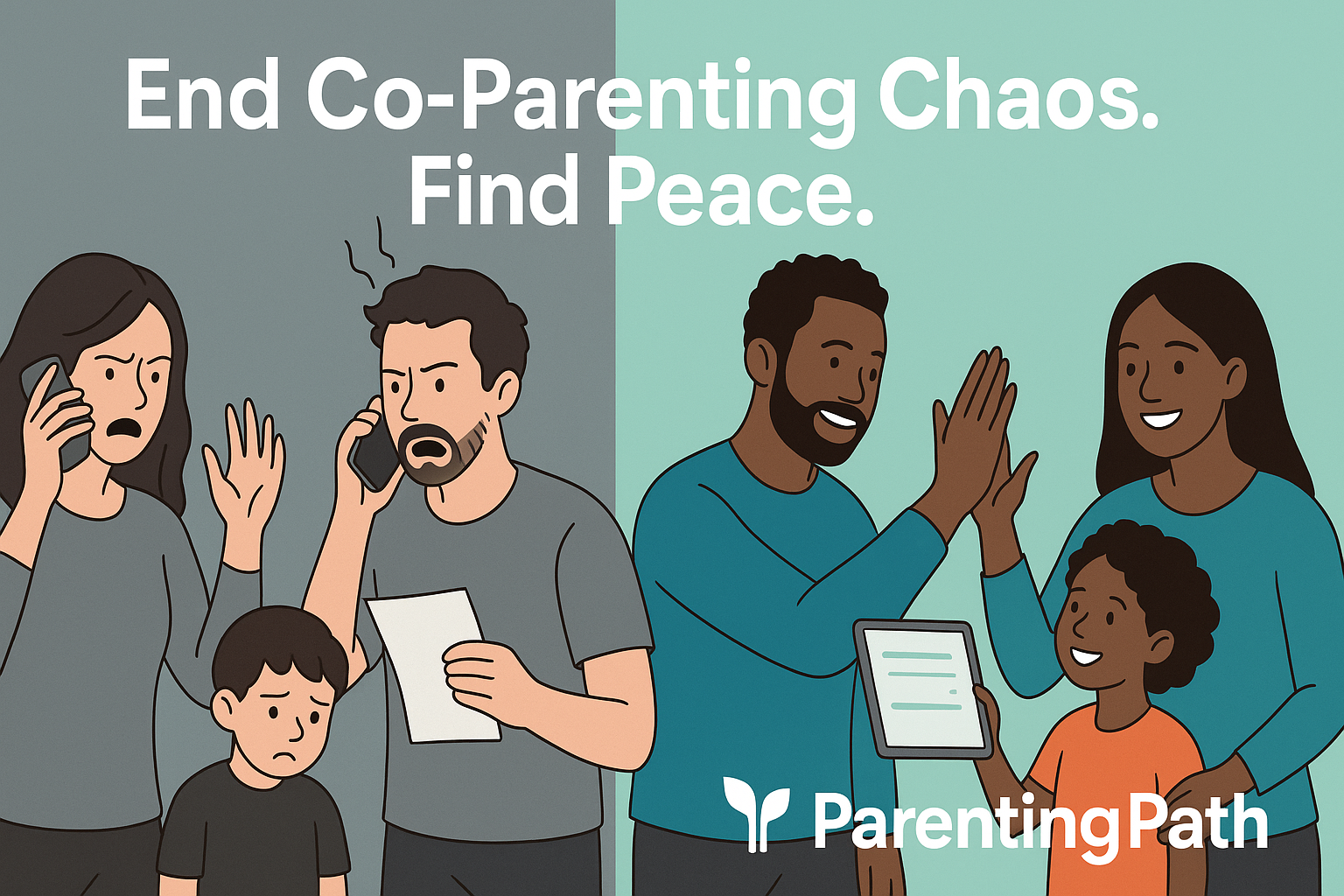
When separated parents cannot communicate without conflict, traditional co-parenting may not be possible. In these cases, parallel parenting offers an alternative by allowing each parent to manage their own time with the child independently.
This method reduces direct interaction between parents to lower tension and protect the child’s well-being.

Parallel parenting relies on a clear, detailed plan that sets schedules and decision-making rules to avoid misunderstandings. Communication is limited to necessary, business-like exchanges, often through written messages or apps designed for co-parenting.
This approach helps create a more stable and peaceful environment for the child despite parental disagreements. By focusing on separate but consistent caregiving, parallel parenting supports the child’s needs while minimizing emotional stress for both parents.
Key Takeaways
- Clear boundaries and detailed plans help reduce conflict between parents.
- Communication is focused, minimal, and typically in writing.
- Children benefit from consistent parenting while avoiding parental tension.
Understanding Parallel Parenting
Parallel parenting is designed to reduce conflict between separated parents while ensuring both stay involved in their child’s life. It focuses on clear boundaries and limited communication, allowing parents to manage their responsibilities independently.
This approach differs significantly from co-parenting, which relies on cooperation and joint decision-making.
What Is Parallel Parenting?
Parallel parenting is a method where divorced or separated parents minimize direct contact to avoid conflict. Each parent has full control during their own parenting time and makes decisions independently.
This helps limit arguments and emotional stress. The aim is to protect children from exposure to parental disputes.
Parents follow a detailed plan specifying schedules, decision rights, and communication rules. Written communication is common and is kept brief and focused on the child’s needs.
This style works best when cooperation is difficult or unsafe. It ensures children still have strong relationships with both parents without forcing the adults to interact frequently.
Key Differences With Co-Parenting
Co-parenting requires parents to work closely together, making shared decisions and communicating regularly. It works best in low-conflict situations where both parents cooperate for the child’s benefit.
Parallel parenting, in contrast, limits communication and decision-making is mostly separate. Parents avoid discussions that can lead to conflict by relying on a clear, detailed plan.
Communication is often done through apps or email, avoiding in-person or phone contact. Co-parenting focuses on teamwork to solve problems, while parallel parenting emphasizes individual responsibility during assigned times.
This reduces opportunities for conflict and manipulative behavior, which can harm children.
| Aspect | Co-Parenting | Parallel Parenting |
|---|---|---|
| Communication | Frequent and collaborative | Limited and structured |
| Decision Making | Joint decisions | Independent during parenting time |
| Conflict Level | Low to moderate | Designed for high conflict situations |
| Parenting Focus | Shared responsibilities | Separate responsibilities |
When Parallel Parenting Is Necessary
Parallel parenting becomes necessary when parental conflict is high and cooperation is unsafe or impossible. This includes situations with emotional abuse, manipulation, or ongoing disputes.
Divorced or separated parents who cannot communicate without arguing benefit from parallel parenting. It provides a structured way to co-parent while limiting direct contact, which protects both parents and children.
This approach is recommended when traditional co-parenting creates stress or instability. It helps children maintain strong relationships with both parents by avoiding exposure to conflicts or tension.
Professionals often advise parallel parenting when legal or therapeutic interventions show that direct interaction causes harm. It supports children’s emotional well-being by keeping interactions peaceful and predictable for all involved.
Core Elements of a Parallel Parenting Plan

A clear structure forms the backbone of a parallel parenting plan. It outlines parenting time, communication methods, and the legal framework necessary to reduce conflict and ensure both parents stay involved.
Each part must address specific needs to protect the child’s well-being while limiting direct parent-to-parent interaction.
Parenting Time and Arrangements
Parenting time in parallel parenting is carefully scheduled to avoid overlap and confusion. Typically, each parent has set, independent blocks of time with the child, such as alternating weeks or specific weekends.
This reduces the chance of direct contact and conflict. The plan should detail daily routines, holidays, and special occasions to prevent disagreements.
Clear rules for drop-offs and pick-ups—often in neutral locations—help avoid negative encounters. Both parents make decisions about the child during their designated times without needing constant approval from the other.
This fixed schedule provides consistency, helps the child know what to expect, and keeps things organized.
Establishing Boundaries and Communication Rules
Setting firm boundaries is essential to reduce tension. Communication between parents is limited and strictly about the child’s needs, with personal topics avoided.
Written forms like email or parenting apps are preferred for all exchanges to keep a clear record and prevent miscommunication. Rules should specify what kinds of messages are acceptable and response times expected.
Using a calm, business-like tone is encouraged to maintain professionalism. Many parallel parenting plans prohibit phone calls or face-to-face talks unless absolutely necessary.
Physical boundaries, such as separate homes and no unauthorized visits during the other parent’s time, protect personal space and reduce conflict. Clear expectations prevent misunderstandings and emotional flare-ups.
Role of Parenting Agreements and Court Orders
A detailed parenting agreement is vital. It acts as a legal guide outlining custody, schedules, decision-making authority, and communication protocols.
Court orders enforce these agreements and provide legal backing, ensuring both parents follow the plan. Working with a family law attorney helps create a plan that meets legal standards and protects everyone involved.
The agreement should cover medical decisions, education, extracurricular activities, and travel rules. Clear documentation helps resolve disagreements without needing frequent meetings or negotiations.
Having a strong, enforceable parenting plan supports stability for the child and clear boundaries for parents.
For more details on how parallel parenting structures this framework, visit a guide to parallel parenting plans.
Effective Communication and Information Sharing
Clear and controlled communication is essential in parallel parenting. Parents use specific tools and strategies that limit unnecessary interactions while ensuring important information about the child’s needs and schedules is shared efficiently.
Using Parenting Apps and Digital Tools
Digital tools help parents keep communication focused and organized. Parenting apps like OurFamilyWizard are designed to reduce conflict by providing a neutral platform for messages, calendars, and expense tracking.
They create a written record of exchanges, which helps avoid misunderstandings or repeated debates. These apps allow parents to share updates about appointments, school events, or healthcare decisions without face-to-face contact.
They encourage brief, factual messages that focus only on the child’s needs. Using such tools reduces emotional reactions and helps maintain boundaries, especially when direct conversations lead to arguments.
Parents can also upload documents or photos to keep each other informed. This centralized system makes sure both parties stay updated in a way that respects the low-conflict nature of parallel parenting.
Minimizing Conflict During Exchanges
Limiting conflict during child exchanges is critical. Parents should keep handoffs brief, neutral, and in public or neutral locations to avoid emotional triggers.
Clear routines for pick-up and drop-off times reduce confusion and tension. Avoiding personal conversations or disputes during these moments helps maintain focus on the child’s welfare.
Parents should prepare the child for transitions to ease stress. Setting rules for interaction, such as no negative comments and minimal talking, supports a calm environment.
When necessary, parents might communicate only through written notes or apps about last-minute changes instead of speaking directly. This approach lowers the chance of conflict and protects both parents and children during exchanges.
Supporting Children in Parallel Parenting

Supporting children in parallel parenting requires careful attention to how parents work separately but still provide a stable and loving environment. It’s important to manage differences in parenting styles, maintain consistency between homes, and coordinate school and extracurricular activities with clear communication.
Managing Different Parenting Styles
In parallel parenting, each parent often follows their own approach to raising the child. This can lead to challenges if parenting styles differ greatly.
Parents need to respect those differences and focus on the child’s well-being rather than trying to change the other parent’s methods. Setting clear boundaries helps prevent conflict.
Parents should agree on basic rules like bedtime, mealtime, and discipline limits, even if the way they enforce those rules differs. Using written agreements or parallel parenting plans can clarify expectations and reduce misunderstandings.
Keeping communication limited to essential issues, like health or safety, can prevent disagreements from escalating. Professionals such as counselors or mediators can assist families in navigating these differences when conflicts arise.
Consistency Across Households
Children benefit from a stable routine, especially when moving between two homes. Consistency in daily schedules and rules helps reduce confusion and anxiety.
Parents should try to align key aspects like bedtimes, homework routines, and screen time limits. Creating a shared calendar or checklist can help both parents track appointments, activities, and important tasks, ensuring nothing is overlooked.
Consistent expectations between households provide reassurance to the child that both parents care and are working together, even if indirectly. Visual cues like charts or reminders can also support children as they adapt to each environment.
Handling School and Extracurricular Activities
Coordinating school and activities is vital to supporting the child’s development. Both parents must share information about schedules, progress, and upcoming events.
Using email or shared apps for communication can keep both informed without frequent direct contact. Deciding who handles transportation, fees, or attendance should be clearly outlined to avoid confusion.
Parents can divide duties by strengths or availability, ensuring the child doesn’t miss important commitments. It’s important to respect the child’s preferences and comfort in these activities while maintaining open communication about any changes.
Consistency in involvement helps the child feel supported by both parents despite separate homes.
More details on managing this balance can be found in the guide to parallel parenting plans.
Legal and Mediation Considerations
Navigating parallel parenting requires clear understanding of legal rights and available dispute-resolution options. Establishing firm legal boundaries and knowing when and how to use mediation or third-party support can help reduce conflict.
Parents also need guidance on how their parenting approach might evolve over time.
Role of Family Law Attorneys
Family law attorneys play a crucial role in creating and enforcing parallel parenting plans. They ensure the plan addresses key legal issues like decision-making authority, visitation schedules, and communication protocols.
Attorneys help parents understand court requirements and rights under family law. They also assist in filing custody orders or modifications if circumstances change.
When one parent resists cooperation, lawyers can enforce compliance through legal action. Their knowledge helps prevent misunderstandings, reducing future disputes that harm the child.
A skilled attorney tailors plans to each family’s needs while protecting the child’s wellbeing.
Utilizing Mediation and Neutral Third Parties
Mediation offers a structured setting for parents to resolve disputes without ongoing court battles. A trained mediator focuses discussions on the child’s best interests and fair solutions.
This process is especially useful when emotions run high, and direct communication between parents is difficult. Neutral third parties like parenting coordinators or counselors help manage scheduled exchanges and decision disagreements.
These professionals ensure rules are followed and can recommend adjustments. Their involvement keeps interactions limited and fact-based, reducing opportunities for conflict and emotional damage to the child.
Transitioning Between Parenting Approaches
It is possible for families to shift between parallel parenting and collaborative co-parenting over time. As trust and communication improve, parents may move toward more cooperative decision-making.
Conversely, increased conflict or child needs might require a return to parallel parenting’s structured boundaries. Transitions should be gradual and clearly documented in modified legal agreements.
Courts may require evidence of progress or setbacks before approving changes. Parents should work closely with attorneys and mediators to ensure that any shift maintains the child’s stability and safety.
Frequently Asked Questions

This section addresses key aspects of parallel parenting, such as how it differs from co-parenting, its effects on children’s emotions, and how it works in challenging situations.
It also covers common arrangements, potential drawbacks, and what details a good parallel parenting plan should include.
What are the primary differences between parallel parenting and co-parenting?
Parallel parenting limits direct contact and communication between parents.
Each parent makes decisions independently during their parenting time.
Co-parenting requires active cooperation and shared decision-making.
It depends on parents working closely together for their child’s benefit.
How does parallel parenting impact the emotional well-being of a child?
Parallel parenting reduces exposure to conflict by minimizing interactions between parents.
This can lower stress and provide a more stable environment.
Children avoid being caught in parental disputes, which helps protect their emotional health.
Consistency in routines from each parent supports better behavior and adjustment.
Can parallel parenting be effective when one parent exhibits narcissistic behaviors?
Parallel parenting can provide a safer structure when dealing with difficult personalities.
It reduces opportunities for manipulation or emotional abuse by limiting communication.
Strict routines and clear boundaries help shield both the child and parents from toxic interactions.
Emotional maturity and self-control are essential for success in this situation.
What are some typical examples of parallel parenting arrangements?
Parents have separate schedules with no overlap in parenting time.
Exchanges are planned for neutral locations to avoid direct contact.
Communication usually happens through written messages or co-parenting apps.
Decision-making about health, education, and activities is done independently but clearly outlined.
Are there distinct disadvantages associated with parallel parenting?
Parallel parenting can limit teamwork, which might affect quick problem-solving.
The child may miss benefits of parents collaborating directly.
It requires strong discipline and commitment to follow rules.
If parents fail to respect boundaries, conflict can still arise.
What components should be included in an effective parallel parenting plan?
The plan should have detailed custody schedules. Specific times for exchanges should be included.
Rules for communication, like using apps or email, must be clear. It needs to define who makes decisions on healthcare, education, and extracurricular activities.
Written guidelines reduce misunderstandings. This lessens the need for face-to-face negotiation.
Consistency and predictability in the plan help protect the child. These qualities also make parenting smoother.