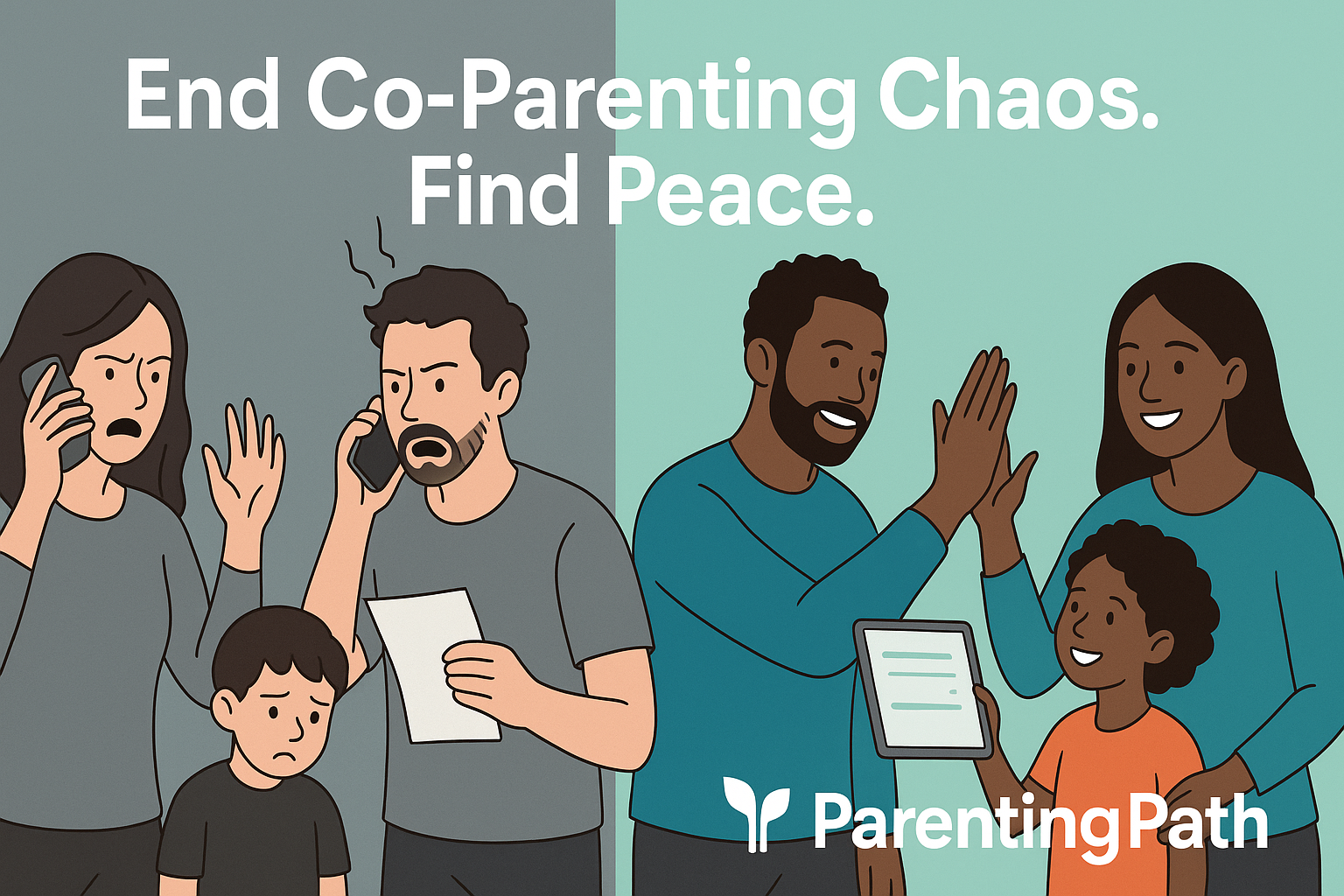
Co-parenting happens when two parents team up to raise their child after splitting up. It means sharing responsibilities and making decisions together to give their child stability and support, even if they’re no longer together romantically or living under the same roof.
This approach helps both parents stay involved, providing a sense of security and care for the child.
Good co-parenting relies on clear communication and respect for each other’s parenting styles. Parents coordinate things like visitation, school involvement, and medical care to keep things steady for their child.
It’s not always easy to cooperate after a breakup, but plenty of parents figure out how to put their child first. There are different styles—cooperative, parallel, and conflicted co-parenting—so it’s not a one-size-fits-all deal.
Defining Co-Parenting and Its Core Principles

Co-parenting means two adults work together to raise a child, even after their relationship changes. It takes clear roles, shared responsibility, and a willingness to cooperate for the child’s sake.
Clarity about each parent’s role, steady communication, and mutual respect really matter here.
What Is Co-Parenting?
In a co-parenting setup, separated or divorced parents both stay involved in raising their child. They make decisions together and handle daily care, even without a romantic relationship.
The focus stays on the child’s needs, not the parents’ disagreements.
Some families keep close communication and share schedules, which people call cooperative co-parenting. Others might do parallel co-parenting, where each parent does their own thing but avoids fighting.
Either way, effective co-parenting helps kids feel loved and secure with both parents in their lives.
Key Goals and Principles
The main goal is to give the child a stable, supportive environment. Parents work together to:
- Set up agreed visitation and custody schedules
- Share responsibilities like school, health, and finances
- Communicate openly about the child’s needs
- Keep routines steady between homes
Respecting each other’s parenting style is important, unless it puts the child in harm’s way. Flexibility helps as the child’s needs change. Keeping conflict low and focusing on emotional security really helps kids grow up healthy.
How Co-Parenting Differs From Other Arrangements
Co-parenting isn’t the same as legal custody or sole parenting. Joint custody deals with legal rights, but co-parenting is more about how parents actually work together day-to-day.
Sometimes, parents share legal custody but don’t really cooperate, which isn’t true co-parenting. In sole parenting, just one parent makes the decisions and handles care, often with little input from the other.
Co-parenting usually involves a written plan. This plan covers schedules, finances, education, and health care, so both parents know what’s expected and the child’s needs get met. If you want more details, check out Verywell Mind’s guide on co-parenting arrangements.
How Co-Parenting Works in Practice

Co-parenting takes clear agreements about responsibilities, schedules, and communication. Parents put together plans for daily care, decision-making, and how extended family fits in.
These details keep things steady for the child and help avoid unnecessary conflict.
Parenting Plan Essentials
A parenting plan is a written agreement that spells out each parent’s duties and rights. It covers things like education, healthcare, religion, and discipline.
This way, both parents know what’s expected, and there’s less room for misunderstandings.
Most parenting plans include:
- How parents will make decisions (together or separately)
- Ways to resolve disputes
- Rules for communication
- Who handles what financially
A solid plan acts like a roadmap. Both parents should agree on it and be open to updating it as life changes.
Joint Decision-Making Processes
Joint decision-making means both parents share the big choices about their child’s life. This covers things like schooling, medical care, and major activities.
Parents discuss options and try to find what’s best for their child. If they can’t agree, they look to the parenting plan or get help from a mediator.
Respectful communication matters here. Keeping things consistent between homes helps kids feel safe and settled.
Parenting Schedule and Visitation
The parenting schedule lays out when the child is with each parent. It’s meant to balance the child’s routine and both parents’ availability.
Schedules can include weekdays, weekends, holidays, and vacations. Some families go for joint custody, so the child spends a lot of time with both parents.
Clear schedules cut down on confusion. Still, some flexibility is good when plans change—life happens, right?
Managing Extended Family Roles
Grandparents, aunts, uncles—they can all play a big part in a child’s life. Co-parenting means figuring out how these relatives fit in with both parents.
The parenting plan might set up guidelines for visits or communication with extended family. Both parents should try to respect each other’s family connections and encourage the child’s relationships with them.
When parents manage these roles well, it supports the child’s emotional health and keeps the family network strong.
Types and Styles of Co-Parenting
Co-parenting looks different in every family—it really depends on how well parents get along and communicate. Some styles are all about teamwork, while others keep things more separate.
The way parents handle their roles can really shape a child’s stability and sense of well-being.
Cooperative Co-Parenting
Cooperative co-parenting is when both parents actively work together. They talk regularly, coordinate schedules, and handle school or medical stuff as a team.
This style values respect and tries to keep things steady for the child, no matter whose house they’re in.
Both parents might show up to parent-teacher meetings or help with homework. They try to keep routines and rules consistent so the child doesn’t get confused.
Kids in these setups often do better emotionally and at school since there’s less stress from parental conflict. It’s not easy, but it’s worth the effort if both parents can manage it.
Parallel Parenting
Parallel parenting is a bit different. Parents keep contact to a minimum and mostly handle things separately.
They only talk about logistics—pickups, emergencies, that sort of thing. Each parent follows their own style in their own home.
This approach works best when cooperation just isn’t possible. It avoids arguments, but rules and routines might not match between homes.
Neither parent tries to undermine the other. Instead, they stick to clear boundaries and limited interaction to keep the peace.
Conflicted Co-Parenting
Conflicted co-parenting—well, it’s pretty rough. Parents argue a lot, don’t communicate well, and often have clashing parenting styles.
This can leave the child feeling confused or stressed, especially if arguments happen during exchanges or about daily stuff.
Kids in these situations are more likely to struggle with anxiety or behavioral problems. It’s tough for everyone.
Getting help from a counselor or mediator might be necessary to protect the child and lower the tension. For more info, see cooperative, parallel, and conflicted co-parenting explained by Verywell Mind.
Communication and Conflict Management

Good communication and keeping disagreements in check are key for co-parenting. Parents need to talk openly about their child’s needs and try to keep the peace.
Handling conflicts with respect helps the co-parenting relationship and supports the child’s well-being.
Open and Regular Communication
Open communication means sharing what’s going on in the child’s life. Parents should keep each other updated on school, health, and activities.
Regular updates help both parents stay in the loop. Using texts, emails, or calls at set times can keep things focused and less emotional.
Some parents use shared calendars or apps to track schedules. Being clear and respectful in messages sets a good tone.
It’s best to avoid blaming or harsh words. When both parents stay open, cooperation usually gets easier, and the child benefits.
Resolving Parental Conflicts
Conflicts will happen—it’s just part of the deal. The trick is to focus on the child, not the disagreement.
Parents should avoid arguing in front of the child. If things get heated, it’s okay to pause and cool off before responding.
Using “I” statements like “I feel” can help keep things calm. Finding common ground on routines or decisions makes life smoother.
If arguments get out of hand, seeing a co-parenting counselor can make a big difference. Learning to handle issues respectfully makes co-parenting way less stressful.
Effective Co-Parenting Strategies
Effective co-parenting is all about planning and teamwork. Parents should agree on schedules, discipline, education, and health care—but stay flexible as the child grows.
It’s important to respect each other’s parenting style, unless it’s actually harmful. Keeping rules consistent helps the child feel safe.
Communication should stay focused on the child. Setting boundaries for how and when to talk keeps things manageable.
Being willing to compromise and adapt when surprises pop up builds trust. These habits make co-parenting smoother for everyone involved.
If you want more tips, check out this guide to effective co-parenting communication.
Benefits and Challenges of Co-Parenting
Co-parenting means sharing the work of raising a child between separated or divorced parents. It can shape the child’s emotional health, lighten the load for parents, and requires clear division of tasks.
Of course, there are ups and downs in each of these areas.
Impacts on Child Adjustment
Kids do best when parents keep a stable, respectful co-parenting relationship. Consistent routines and similar parenting styles across both homes help children feel secure.
When parents avoid fighting and talk things through, children usually have fewer behavior problems and better mental health. But if parents argue a lot or barely communicate, kids can get stuck in the middle.
This can lead to anxiety, depression, or acting out. A cooperative approach shows children that both parents care and are willing to work together for their well-being.
Reducing Parental Stress
Sharing responsibilities can really lower stress for both parents. When parents work together, they can plan schedules, split up tasks, and back each other up on parenting choices.
This teamwork makes it easier to juggle childcare, school events, and doctor visits without feeling swamped. But stress shoots up if co-parents barely talk or keep things tense.
Different rules or parenting styles can cause friction. It gets exhausting when one parent won’t communicate or follow through.
Learning to talk openly and being flexible really helps take the pressure off and creates a more balanced home for everyone.
Balancing Responsibilities
Co-parenting means parents need to split up things like managing money, going to school meetings, and handling health care. Setting clear agreements on who does what keeps things simple and avoids fights.
Having a written plan for schedules, school decisions, and medical care makes cooperation a lot smoother. But challenges pop up if parents live far apart, have clashing routines, or don’t agree on parenting.
Flexibility matters, especially as kids get older or life changes. Respecting each other’s style—even when it’s different—keeps the peace and helps the child stay close to both parents.
For strategies on working together and planning, check out this guide on co-parenting.
Creating and Maintaining a Successful Co-Parenting Arrangement
Successful co-parenting really depends on making clear agreements, working together, and rolling with the punches when things change. Both parents need to agree on schedules, share the load, and respect each other’s parenting choices.
Good communication and making decisions together help build a stable space for the child.
Developing a Flexible Co-Parenting Plan
A clear plan sets the stage for working together. It should lay out a detailed schedule for weekdays, weekends, holidays, and special events.
Parents also need to figure out how and when they’ll talk to the child during the other parent’s time. But life happens—work schedules change, or kids’ needs shift—so flexibility in the plan is key.
Parents should agree on how to update the plan so it stays fair and realistic. It’s also important to spell out who handles money, medical care, and school decisions.
This helps avoid confusion and keeps both parents involved in the big stuff.
Coordinating Parenting Styles
Parents often have different approaches, but finding some common ground matters for the child’s stability. Agreeing on routines, discipline, and expectations makes things less confusing for the kid.
As long as no harm is done, respecting each other’s style teaches kids to adapt. When parents swap updates about how the child’s doing, they can tweak things as needed.
Setting shared rules—like bedtime, homework, or screen time—helps the child feel safe and know what to expect, no matter whose house they’re at.
Overcoming Common Obstacles
Conflicts and communication issues come up a lot in co-parenting. To get past these, parents really have to keep conversations respectful and focus on what’s best for the child.
Using shared calendars or messaging apps makes it easier to stay organized. And it’s so important not to badmouth the other parent around the child.
If arguments get heated, mediation or counseling can help before things spiral. Putting the child’s needs first, even when it’s tough, makes co-parenting work better for everyone.
For more on building plans and tackling challenges, see this guide on co-parenting arrangements.
Frequently Asked Questions
Co-parenting brings up a lot of practical details for parents and kids. Setting clear rules for custody, communication, and resolving disagreements helps keep things steady.
Plans also need to change as kids grow and their needs shift. It’s not always simple, is it?
How do shared custody arrangements function in a co-parenting setup?
Shared custody means both parents have legal rights and responsibilities for their child. Usually, they split time based on what works for their jobs and home lives.
The main goal is to make sure the child gets real time with both parents. Parents have to work together on routines, school, and health care to keep things stable, even in two homes.
What strategies exist for effective communication between co-parents?
Good communication means talking regularly and respectfully, always focused on what the child needs. Co-parenting apps help keep messages clear and organized.
Parents really shouldn’t talk badly about each other in front of the child. Setting up regular check-ins can help avoid misunderstandings and keep things on track.
What are some common challenges faced in co-parenting, and how can they be addressed?
There are plenty—different parenting styles, scheduling headaches, and emotional tension can all make things tricky. Kids can get confused, and everyone feels the stress.
Getting through it takes patience, flexibility, and clear boundaries. Keeping routines steady and putting the child’s needs first goes a long way.
How do co-parenting plans accommodate a child’s changing needs as they grow?
Co-parenting plans need to stay flexible and get reviewed regularly. As kids get older, their school, social, and health needs change, so parenting arrangements have to keep up.
Parents should talk honestly about what’s changing and adjust schedules or responsibilities to support the child’s growth.
What legal considerations should be taken into account when establishing a co-parenting agreement?
Legal agreements usually spell out custody rights, visitation, and financial stuff like child support. Courts might require formal orders to make sure the child’s best interests are protected.
It’s smart to get legal advice so the agreement is clear, enforceable, and puts the child’s safety and well-being first.
In what ways can co-parents manage conflicts or disagreements to maintain a healthy environment for the child?
Managing conflicts means staying focused on the child’s needs. Parents should keep disagreements away from the child and talk things out in private.
Mediation or counseling can really take the edge off tense situations. Sometimes, co-parenting counseling is worth a shot too.
It helps when both parents try to compromise and keep communication calm. That way, the child gets a more stable and loving space to grow up in.