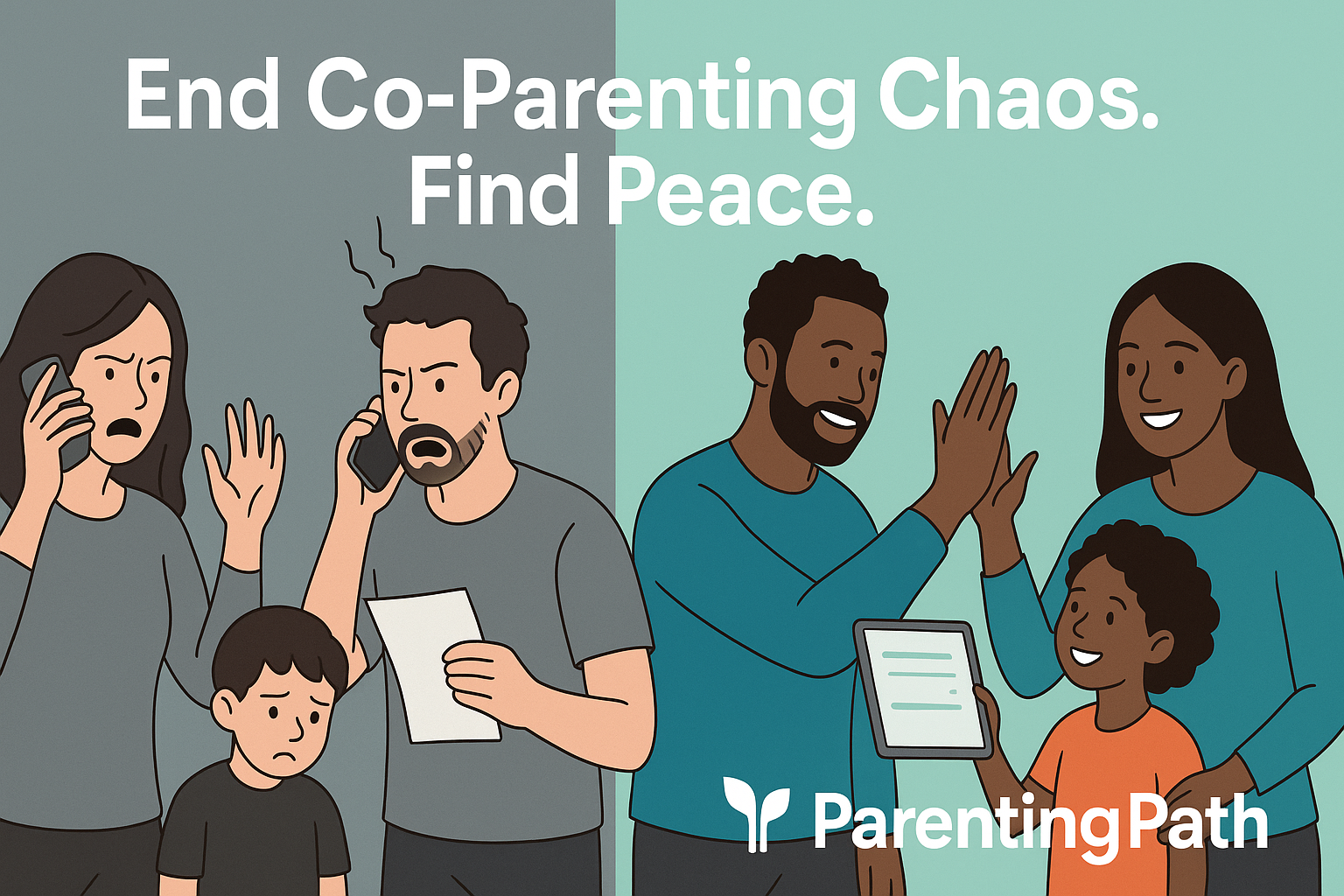
Co-parenting with a toxic ex is, frankly, exhausting. Setting firm boundaries and focusing on what you can actually influence matters so much more than getting sucked into every argument.

Calm, clear communication is essential, even if the other parent refuses to play fair. A detailed parenting plan keeps both homes consistent and shields your child from unnecessary tension.
Support from friends, professionals, or a good therapist can really take the edge off the emotional strain.
Key Takeways
- Focus on clear boundaries and control what is manageable.
- Keep communication calm and consistent for the child’s stability.
- Prioritize self-care to support healthy parenting amid conflict.
Recognizing Toxic Co-Parenting Behaviors
Toxic co-parenting shows up in specific, harmful actions that disrupt communication and hurt the child’s well-being. These behaviors make cooperation nearly impossible and leave everyone on edge.
Spotting these signs early lets you manage interactions wisely and set boundaries that actually stick.
Identifying Manipulation and Gaslighting
A toxic ex might use manipulation to control situations and make you doubt your own feelings or choices. Gaslighting is common—they’ll deny or twist facts, sometimes insisting events didn’t happen when you know they did.
Manipulation can mean false accusations or using your child to pass messages that stir up guilt or fear. This keeps you off-balance and less able to respond calmly.
Watch for these patterns. Documenting interactions can help protect you from being manipulated.
Understanding Narcissism and Coercive Control
Narcissistic co-parents focus mostly on their own needs and rarely show empathy. They might try to control every aspect of co-parenting, ignoring what’s best for the child.
Coercive control looks like intimidation, threats, or emotional pressure to get their way. Sometimes they refuse to cooperate unless you meet their demands or use silent treatment as punishment.
Some play the victim to gain sympathy and sway court decisions. Recognizing these tactics helps you avoid falling into their traps and keeps you focused on your child.
Recognizing Patterns of Revenge and Sabotage
Some toxic co-parents act out of revenge, trying to hurt you through the co-parenting process. Sabotage can mean pressuring the child to resist visits, skipping scheduled parenting times, or breaking court orders on purpose.
Revenge might show up as spreading lies or badmouthing to others, aiming to ruin your reputation. These actions just escalate conflict and hurt your child emotionally.
Spotting these patterns early lets you take legal or counseling steps to protect your family. Using clear communication tools and legal agreements can help keep toxic behavior in check.
For more examples, check out toxic co-parenting warning signs.
Establishing Safe and Effective Communication
Clear rules and the right tools help keep communication with a toxic ex manageable. Keep contact focused on your child’s needs and cut down on emotional triggers as much as possible.
Using technology wisely can help keep things organized and documented.
Setting Clear Boundaries
Decide what topics are allowed and when you’ll communicate. Stick to conversations about your child’s care—don’t get dragged into personal issues or old fights.
Set specific times to reply so you’re not glued to your phone. That way, you limit constant contact and lower your stress.
If a disagreement flares up, maybe agree to wait 24–48 hours before replying to non-urgent messages. This gives you time to cool off and keeps exchanges business-like.
Clear boundaries protect your emotional health and reduce chances for manipulation. It only works if both parents respect these limits, though—easier said than done.
Utilizing Parenting Apps and Tools
Parenting apps like OurFamilyWizard or TalkingParents offer a secure way to share schedules, expenses, and messages. They keep everything in one place and create a written record.
You can sync calendars for visits, school events, and appointments. Some apps even help track expenses or send reminders.
Using these tools keeps communication child-focused and limits direct contact. If things get messy, digital records can help in legal situations. Picking the right app can really take the tension down a notch.
Minimizing Direct Conflict
Try to avoid face-to-face meetings with your ex when possible. Use neutral spots for custody exchanges to keep things civil.
If attending your child’s events together is tough, consider virtual participation. Sometimes, letting a third-party intermediary or mediator handle communication makes everything less heated.
Never discuss conflicts in front of your child or use them as a messenger. Keeping adult issues away from parenting moments protects your kid’s emotional health.
For more ideas, see how to co-parent with a toxic ex.
Developing a Strong Parenting Plan
A solid parenting plan spells out rules for custody, parenting time, and decision-making. It cuts down on confusion and conflict by putting expectations in writing.
Careful documentation helps you stay organized and keeps everyone accountable, even when co-parenting is tough.
Creating Detailed Custody Arrangements
Spell out who has legal and physical custody. Legal custody covers decisions about health, education, and religion. Physical custody is about where your child lives and spends time.
Be clear if custody is joint or sole, and outline how you’ll handle emergencies or schedule changes. A detailed plan prevents misunderstandings and keeps your child’s world steady.
Keep your child’s best interests at the center, especially when dealing with a toxic ex. Define boundaries for communication and involvement to lower conflict.
Agreeing on Parenting Time and Decision-Making
Parenting time schedules should be explicit and consistent. Include regular days, weekends, holidays, and vacations. Set clear start and end times to avoid last-minute drama.
If you need flexibility, state how changes are requested and approved. Decision-making guidelines should clarify who handles daily choices and how bigger decisions get made.
You might split responsibilities or require mutual agreement for major issues like medical care. Sticking to the plan helps reduce power struggles and gives your child a more stable routine.
Documenting Agreements and Interactions
Write everything down. Your parenting plan should cover all custody and parenting time details, plus rules for communication and resolving disputes.
Keep records of exchanges, changes, and important conversations. Use emails, texts, or a shared calendar for proof if things get rocky.
A well-documented plan creates a clear, consistent framework. It minimizes arguments and keeps your child’s welfare front and center.
For more on co-parenting strategies, see how to co-parent effectively with a toxic ex-spouse.
Prioritizing Your Children’s Well-Being

When you’re co-parenting with a toxic ex, your child’s emotional and physical safety has to come first. Create a stable environment that supports their health and growth, no matter how rocky things get with your ex.
Promoting Emotional Security
Kids need to feel safe and understood, especially if things are tense between parents. Encourage open conversations where they can share feelings without fear.
Try to keep daily routines consistent between both homes. It helps your child build trust and a sense of stability.
Align rules about behavior, schoolwork, and bedtime to cut down on confusion. Avoid badmouthing your ex in front of your child—focus on supportive, reassuring language so they feel secure and loved.
Shielding Children from Toxic Dynamics
Protect your child from conflict and manipulation. Limit their exposure to arguments or emotional stress during exchanges and visits.
Use structured, factual communication with your ex—think emails or co-parenting apps—to cut down on direct conflict. This also sets a good example for your child.
Track incidents or concerning behavior in writing so you can address problems legally if needed. If safety is a concern, supervise interactions.
Set firm boundaries about your ex’s interactions to reduce chaos and keep harmful dynamics in check. Keeping your child’s best interests at the center is always the right move.
Learn more at Choosing Therapy.
Protecting Your Mental Health

Co-parenting with a toxic ex can feel like a never-ending source of stress. Managing your reactions and finding the right support is crucial.
Building strong mental health defenses helps you stay steady for your child.
Managing Anxiety and Emotional Triggers
Anxiety often comes from unpredictable or hostile interactions. Figure out your triggers—maybe it’s angry texts or last-minute changes.
Prepare calm, factual responses in advance. Techniques like deep breathing, meditation, or even just jotting things down can help take the edge off.
Keep communication brief and avoid personal topics to limit emotional drain. Protect your mental space with clear boundaries.
Here’s a quick cheat sheet:
| Trigger | Response Strategy |
|---|---|
| Hostile messages | Use short, factual replies |
| Attempts to guilt or provoke | Pause before responding |
| Child used as messenger | Redirect to neutral channels |
Practice self-care daily—exercise, hobbies, rest—whatever helps you recharge.
Seeking Professional or Legal Support
Sometimes you just need outside help. Mental health pros can offer therapy or coaching for coping strategies and resilience.
Legal advice is important, too. Family law attorneys help draft enforceable parenting plans and set clear boundaries.
Support groups connect you with others in the same boat. Court-approved communication apps add an extra layer of protection by documenting everything.
Combining professional guidance with legal safeguards gives you a more secure foundation and cuts down on chaos.
Frequently Asked Questions
Co-parenting with a toxic ex means you have to manage communication carefully, set firm boundaries, and spot warning signs early. Knowing when to get legal help and how to protect your child from harm is key.
What are effective strategies for managing communication with a toxic ex while co-parenting?
Stick to clear, direct, and neutral language. Limit conversations to what’s necessary for your child’s well-being.
Written forms like email or messaging apps are best for creating a record and avoiding misunderstandings. Keep it brief and factual—don’t get sucked into arguments or provocations.
How can I set healthy boundaries with an ex-partner for the benefit of our child?
Set clear rules about when and how you’ll be in contact. Define limits on topics outside of parenting.
Enforce these boundaries consistently, even if your ex tries to push back. Prioritize your child’s stability by keeping personal info private and using formal channels for communication.
What signs indicate that my co-parenting relationship is becoming toxic and how can I address them?
If you’re seeing frequent arguments, disrespect, or manipulation, those are big red flags. Pay attention if your child seems stressed or confused about co-parenting.
Try to address problems calmly or involve a mediator if needed. If things get worse, don’t hesitate to seek professional support. Always keep your child’s needs at the center of your decisions.
What legal options are available if I am being harassed by my co-parent?
You’ve got a few legal steps you can take, like filing for a protective order or asking the court to change your custody agreement. Courts sometimes step in to enforce parenting plans, which can help limit how much you have to deal with your co-parent.
Make sure you document every incident of harassment. It’s a smart move to talk to a family law attorney, since your options can really depend on your situation and where you live.
How can I handle a high-conflict ex to minimize the impact on our children?
Try to keep all your interactions focused on the kids, and do your best not to drag them into the drama. If talking directly always leads to arguments, parallel parenting might be your best bet—each parent handles their own time separately.
Help your children build coping skills, and stick to routines that give them a sense of stability. Above all, shield them from adult problems as much as you can.
What steps should I take if I suspect that my ex’s behavior is affecting our child’s mental health?
Watch for any changes in your child’s mood or behavior. If something feels off, trust your gut.
Reach out to a mental health professional who knows how to handle family conflict. Sometimes just having an outside perspective helps.
Keep talking with your child, even if it’s awkward. Let them know you’re there and that it’s okay to feel however they feel.
Bring up your concerns with the therapist. You might need to tweak your co-parenting plan to better support your kid.
If you want more tips, check out how to co-parent with a toxic ex effectively.