Co-parenting shapes a child’s long-term well-being in all sorts of ways. When parents work together in a supportive, cooperative way, kids usually enjoy better mental health, stronger bonds, and more success at school.
The quality of co-parenting directly influences how children grow emotionally and socially. Positive cooperation lowers the risk of behavioral and emotional problems.

Poor co-parenting can leave kids confused and stressed. Over time, this can lead to anxiety, depression, or trouble managing emotions.
How parents communicate and share responsibilities doesn’t just matter now—it echoes well into adulthood. Co-parenting really is a key piece of the lifelong puzzle.
Key Takeaways
- Cooperative co-parenting supports children’s emotional and social development.
- Conflict or poor teamwork between parents can lead to long-lasting challenges.
- Promoting positive co-parenting benefits children’s mental health and school success.
The Foundations of Co-Parenting and Child Adjustment
Co-parenting means adults share the job of raising a child, and how they do it matters a lot. It covers how parents work together, handle conflict, and back each other up.
These everyday interactions shape children’s emotions and social skills. There’s a lot of theory behind why co-parenting matters so much, but you can see it in real life, too.
Defining Co-Parenting and Its Core Elements
Co-parenting is really just how parents or caregivers cooperate, coordinate, and settle disagreements about raising their child. It covers shared decisions, communication, and splitting up the big and small tasks.
Good co-parenting means parents back each other up and respect each other’s style—even if it’s not exactly their own.
Key parts of co-parenting are:
- Cooperation: Working together on parenting duties.
- Conflict Management: Handling disagreements calmly without harming the child.
- Support: Encouraging each other in parenting efforts.
- Task Sharing: Dividing child care tasks fairly.
It’s not just for couples. Grandparents, stepparents, or anyone raising a child together can co-parent. The quality of these relationships really shapes how everyone feels—kids and adults alike.
Overview of Family Systems Theory in Context
Family systems theory looks at the family as a web where everyone affects everyone else. Co-parenting sits right in the middle of that web.
According to this theory:
- The co-parenting relationship is its own little system inside the family.
- Positive co-parenting makes the whole family work better and helps kids behave.
- Stress or conflict in co-parenting can throw the whole family off balance.
If parents cooperate, kids usually learn to manage their feelings and get along with others. If conflict runs high, kids might get anxious or act out.
Co-Parenting Quality and Types of Co-Parenting Patterns
Co-parenting can be anywhere from super supportive to flat-out hostile. When parents trust and encourage each other, things go better. If they fight, compete, or undercut each other, kids pick up on that.
Common co-parenting patterns include:
| Pattern | Description | Impact on Child |
|---|---|---|
| Cooperative | High support and coordination | Promotes emotional security and adjustment |
| Parallel | Parents work separately but respectfully | Neutral to slightly positive child outcomes |
| Conflictual | Frequent disagreements and hostility | Linked to stress, anxiety, and poor adjustment |
| Disengaged | Low communication and involvement | Often results in behavioral and emotional problems |
Kids do best when parents cooperate. Even if parents live apart, keeping things respectful and organized helps children feel safe.
Negative patterns just make it harder for kids to manage their feelings or behavior. There’s plenty of research on this—check out the effect of co-parenting on children’s emotion regulation.
Long-Term Effects of Co-Parenting on Children’s Wellbeing
How parents co-parent leaves a lasting mark on a child’s life. It shapes behavior, emotional health, and the parent-child bond over the years.
Positive co-parenting tends to cut down on behavior problems and helps kids adjust emotionally. That support sticks with them as they grow.
Child Behavior and Emotional Adjustment
Strong co-parenting lowers the odds of aggression, rule-breaking, or attention problems. When parents support each other, kids are less likely to act out.
Poor co-parenting brings more stress and conflict into the home, which can lead to lasting anxiety or depression. Kids who see their parents cooperate usually have fewer issues like withdrawal or sadness.
Consistency in parenting helps children manage their emotions and build social skills. Early co-parenting quality can affect behavior well into middle childhood.
Child Wellbeing Across Developmental Stages
Good co-parenting helps kids at every stage. In the early years, it builds secure attachments and self-control.
During school years, it boosts resilience and lowers the risk of antisocial behavior. As kids get older, steady co-parenting keeps them feeling secure, which helps with friendships and school.
Consistent rules and shared values matter, even if parents don’t live together. Less conflict and more teamwork protect kids from long-term mental health struggles.
Enduring Impacts on Parent–Child Relationships
Co-parenting quality shapes how kids connect with each parent. When parents support each other, both can engage more meaningfully with their child.
This teamwork shows kids what respectful relationships look like. On the other hand, conflict or undermining can damage those bonds.
Kids stuck in high-conflict co-parenting situations might feel torn or insecure. But supportive co-parenting builds trust and strong emotional ties—so important for healthy development.
If you want to dig deeper, check out Coparenting and Parenting Pathways From the Couple Relationship to Children’s Externalizing Problems and Poor Co-Parenting: Consequences for Children’s Well-Being.
Positive and Negative Co-Parenting: Outcomes and Mechanisms
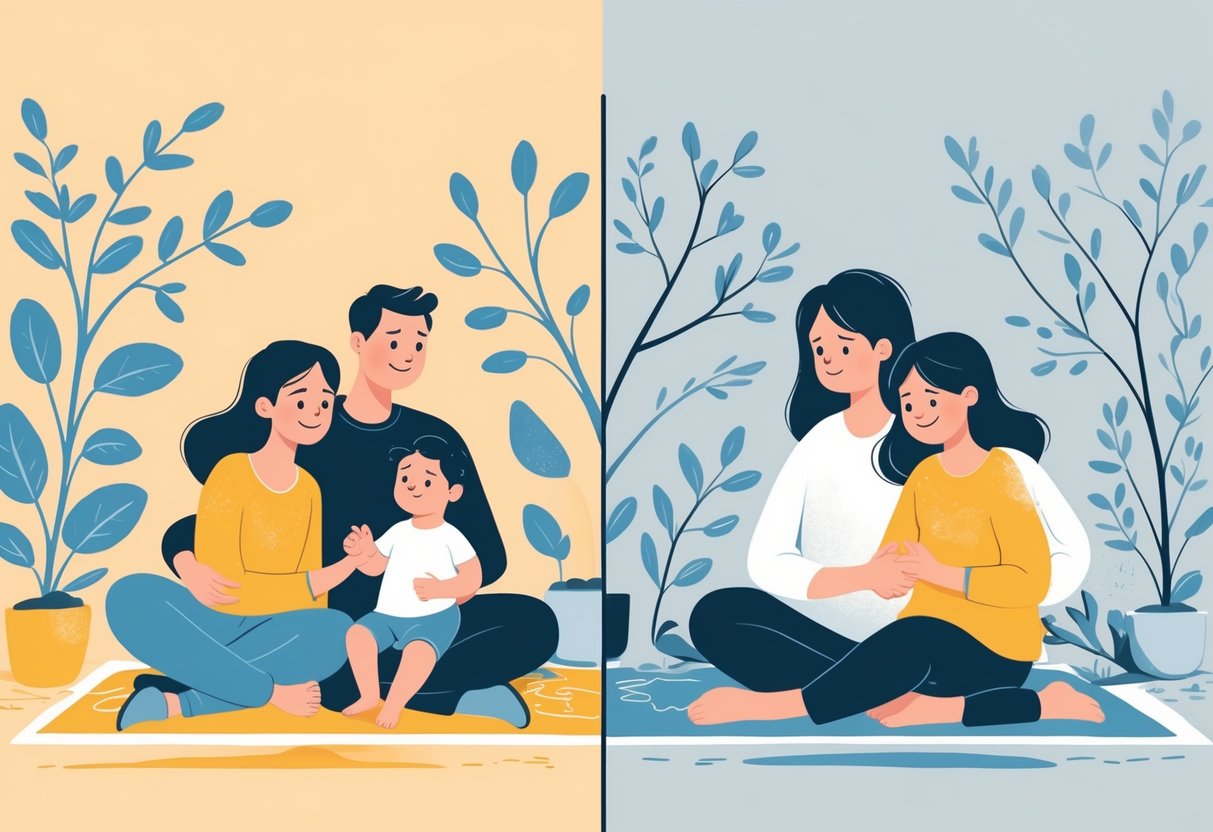
How parents co-parent has a direct impact on kids’ emotional health and behavior. Supportive teamwork builds a solid foundation for development.
Conflict or inconsistent parenting can raise risks for kids. The way parents work together matters more than just how they get along as a couple.
Benefits of Positive Coparenting and Parenting Alliance
Positive coparenting means parents back each other up, respect decisions, and work together for their child’s best interest. This kind of partnership—sometimes called a parenting alliance—gives kids stability and clear guidance.
When parents share a strong alliance, kids usually have fewer behavior issues and handle their emotions better. Coparenting support also eases stress for parents, making positive parenting easier.
When parents stand together, children feel secure. This teamwork encourages good communication and problem-solving, which helps with discipline and care.
Some research even suggests coparenting quality predicts child outcomes better than how happy the couple is romantically.
Risks of Poor Co-Parenting and Parental Conflict
When coparenting conflict is high—think undermining or open hostility—kids often struggle. Family stress goes up, and children may become anxious, aggressive, or emotionally reactive.
Disagreements about parenting or inconsistent discipline confuse kids and make them feel insecure. Parental conflict tears down the alliance parents need to do their best.
This can lead to harsher or less responsive parenting. Ongoing conflict also disrupts attachment and can lead to more behavior problems for kids.
The Role of Parenting Styles and Strategies
Parenting styles and strategies work hand-in-hand with co-parenting. Supportive co-parenting encourages warmth, clear rules, and open talk.
These strategies foster healthy emotional and social growth. But harsh parenting mixed with coparenting conflict just makes things worse.
Kids in those situations get mixed messages or discipline without explanation. Effective co-parenting helps parents coordinate strategies, set clear expectations, and support kids’ mental health.
If you want to see more research on this, check out Two Decades of Coparenting Research.
Family Structure, Socioeconomic Context, and Co-Parenting
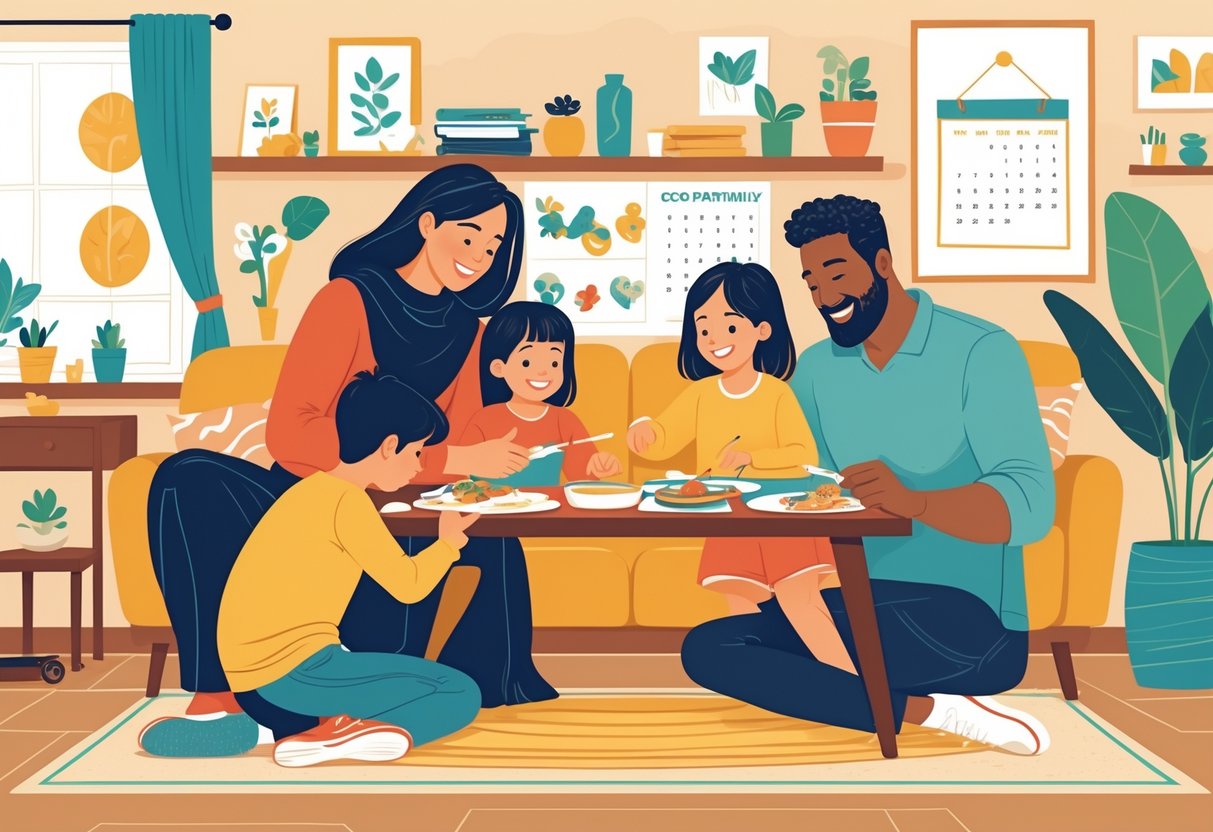
Family dynamics and financial situations shape how parents co-parent. These factors, in turn, influence kids’ long-term development.
Different family forms and resources affect how parents split up responsibilities and support each other. That trickles down to the kids.
Family Structure Changes and Child Outcomes
Changes like divorce, remarriage, or single parenting shift the co-parenting landscape. Stepfamilies can bring tricky dynamics with biological parents and stepparents.
Stable, cooperative co-parenting helps minimize risks for emotional or behavior problems in these situations. Single parents may have more stress, but if they keep a good relationship with the other parent, kids tend to do better.
Family structure matters, but how parents coordinate and handle conflict matters more for kids’ outcomes.
Socioeconomic Status and Family Functioning
Socioeconomic status (SES) plays a big role in co-parenting quality. Lower SES families often face more financial stress, which can make cooperation harder.
Money worries affect parenting style, time with kids, and access to resources. Families with more stability and support tend to co-parent more positively.
| SES Factor | Impact on Co-Parenting and Children |
|---|---|
| Financial Stress | Raises conflict; limits parenting support |
| Resource Access | Improves child development opportunities |
| Parenting Time | Higher SES allows more parental engagement |
Nonmarital and Fragile Families
Nonmarital or fragile families—where relationships and finances are unstable—face their own co-parenting challenges. Unmarried parents who don’t live together often find coordination tough.
Studies like the Fragile Families and Child Wellbeing Study show that co-parenting quality in these families really predicts kids’ social and emotional outcomes. Supportive co-parenting can help buffer some of the negative effects of instability or poverty.
But if parents keep fighting or don’t cooperate, kids are more likely to struggle. Programs that teach communication and collaboration skills can help, even when things are complicated.
If you’re curious about the details, there’s more out there on how coparenting impacts child adjustment in all kinds of families.
Moderators and Mediators of Co-Parenting Effects
A bunch of things shape how co-parenting affects kids as they grow. Parents’ stress, how involved fathers are, and the confidence and support parents feel all play a part.
These factors really mold the co-parenting relationship and influence kids’ emotional and social growth.
Parental Stress and Burnout
Parental stress and burnout tend to chip away at the benefits of co-parenting. When parents feel swamped by daily demands, they struggle to support each other.
Stress can build up from work, daily hassles, or just fighting over who does what at home. It pushes patience to the limit and can lead to more arguments or even harsher parenting.
When the stress piles up, it’s tough for parents to work together, and that tension can spill over to the kids. Kids then might have a harder time managing their own emotions.
If parents find ways to handle stress and avoid burnout, they’re more likely to cooperate. That really helps kids in the long run.
Father Involvement and Shared Parenting Responsibilities
When dads jump in and share parenting duties, kids usually gain extra emotional support. It’s not just about splitting chores—kids actually pick up better social and cognitive skills.
Active father involvement also helps break down barriers, like when one parent tries to control everything. You see more teamwork between parents, which just feels healthier.
Sharing responsibilities makes the whole family run smoother. Less stress for everyone, and kids get more stable care.
Parenting Self-Efficacy and Support Systems
If parents believe they can handle the ups and downs of raising kids, they’re more likely to keep their cool during tough times. This confidence—parenting self-efficacy—makes it easier to work through conflicts.
Support systems matter too. Family, friends, or parenting groups can offer much-needed backup, both emotionally and practically.
With strong support and self-belief, parents usually stick with positive and cooperative habits. That’s a win for kids’ emotional well-being.
Policy Influences and Future Directions for Families
Policies don’t just sit on paper—they shape how parents share care and work together. They set the rules for who gets recognized, what support is available, and how responsibilities get divided.
Things get even trickier when more than two adults help raise a child. That’s a whole other layer for policy makers to think about.
The Impact of Family Policies and Paid Parental Leave
Family policies usually spell out who’s supposed to do what and how much time off each parent gets. Paid parental leave often gives moms way more time than dads.
This lopsided approach keeps old stereotypes alive, with moms as the main caregivers and dads as the backup. It also means dads might feel left out, and moms end up carrying more stress.
Some countries don’t even recognize non-biological parents, like stepparents or same-sex partners, leaving them out of big decisions. That’s a real gap.
If policies offered equal leave and recognized all kinds of families, cooperation would probably improve. It’d also boost parents’ well-being and help kids thrive.
For more on this, check out the NCFR brief on promoting positive coparenting.
Triangulation and Complex Family Relationships
Today’s families aren’t always just two parents—sometimes stepparents, grandparents, or others play a big role. That can lead to triangulation, where one adult feels stuck between two others’ conflicts.
When triangulation happens, kids can feel emotionally insecure. It messes with communication and ramps up stress for everyone.
Most policies and legal systems still act like only two parents exist. They don’t really know what to do with three or more caregivers.
To fix this, we’d need to recognize everyone who acts as a coparent, not just those with legal status. Offering support and conflict management tools could really help, especially in blended or separated families.
More info on this is in the NCFR policy brief.
Frequently Asked Questions
How parents handle separation and co-parenting can shape so much about a child’s life. Their emotional stability, mental health, friendships, and even school success often hang in the balance.
What are the potential impacts of parental separation on a child’s development?
Parental separation can leave kids feeling confused and anxious. Sometimes they feel stuck in the middle, pressured to choose sides, which just adds to their stress.
This kind of environment can mess with their social skills and make it harder for them to manage their emotions.
Can positive co-parenting mitigate the long-term effects of divorce on children?
Absolutely. If parents keep things respectful and share responsibilities, kids get more stability and support.
Good co-parenting lowers the risk of anxiety and behavior problems. It also encourages better emotional growth.
How does experiencing divorce in childhood affect future relationships and attachment styles?
Kids who go through divorce might struggle with trust later on. Some end up with attachment anxiety or avoid getting close, probably because early experiences shape how they see relationships.
What are the documented mental health outcomes for children from divorced families?
Children from divorced families face higher risks of anxiety and depression. But it really depends on how parents handle conflict and support.
When parents co-parent well, kids’ mental health outcomes tend to improve.
To what extent do established co-parenting boundaries influence a child’s emotional well-being?
Clear, consistent boundaries between parents help kids feel safe and valued. When parents avoid fighting and work together, kids experience less emotional stress and are more likely to thrive.
Are there any significant differences in the long-term academic performance of children from co-parented versus intact families?
Research suggests kids in healthy co-parenting setups often do just as well in school as those from intact families.
Stability matters—a lot. Consistent parenting and real emotional support seem to drive academic success, no matter what the family looks like.
If you’re curious, you can check out more on coparenting effects.