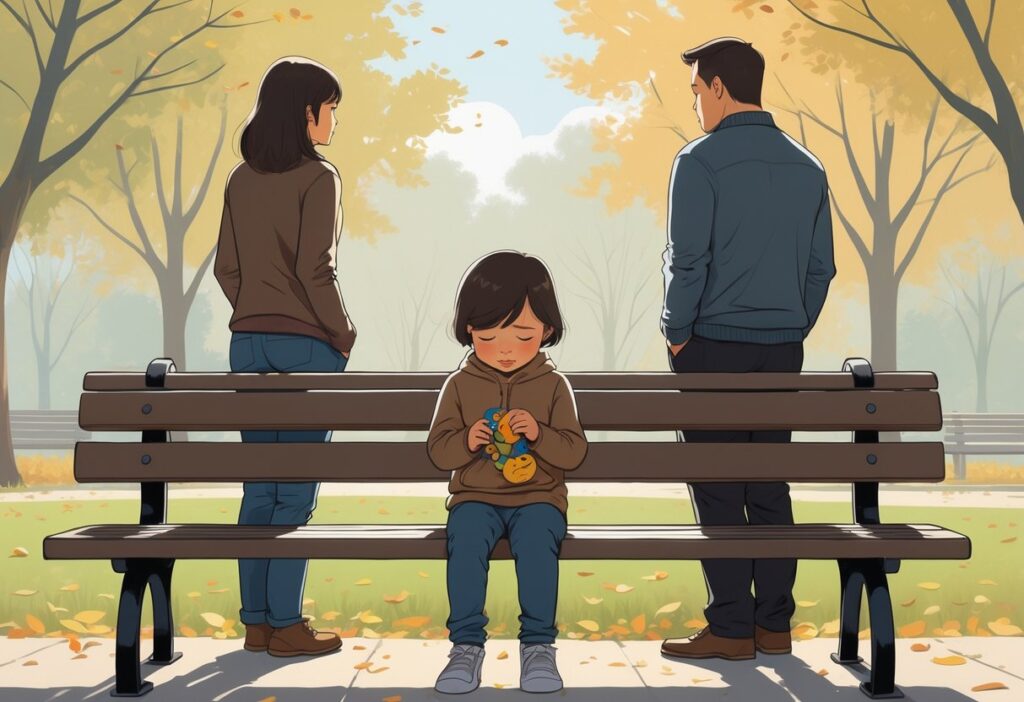
Separation can be a challenging time for children, bringing up many confusing emotions like sadness, anger, or anxiety. Supporting a child emotionally means creating a safe space where they feel heard and understood, helping them adjust to the changes without feeling alone.
Parents who listen carefully and offer consistent support help their children handle this transition more smoothly.

It is important for parents to work together to reduce conflict and maintain steady routines, which provide children with a sense of security. Encouraging open communication and allowing children to express their feelings honestly can make a big difference in their emotional well-being.
Involving both parents positively in the child’s life also strengthens a child’s stability during this time.
Key Takeaways
- Children need a safe and understanding environment to express their feelings.
- Consistent routines and low conflict help children feel secure.
- Positive involvement by both parents supports emotional adjustment.
Understanding the Emotional Impact of Separation on Children
Children often experience a wide range of feelings when their parents separate. These emotions vary depending on their age and how they process change.
The effects can show up quickly or develop over time and may influence their behavior, mood, and overall well-being.
Common Emotional Reactions in Children
Children may feel shock, sadness, anger, or confusion right after their parents separate. Some might even feel relief if the home was full of tension or fights.
These feelings can come in waves and change frequently. Other common reactions include anxiety about the future, guilt over what happened, or loneliness.
Some children express their emotions through behavior like withdrawal, acting out, or trouble at school. Parents should watch for these signs and offer steady support.
Conflict between parents can increase stress for children. Keeping fights away from children helps reduce their anxiety and builds their emotional safety.
Age-Specific Responses to Separation
Young children might not understand why their parents are apart. They may think they caused the problem and express this through clinginess or tantrums.
Preschoolers and toddlers often fear abandonment and need clear reassurance. School-age children understand more but can struggle with loyalty conflicts, feeling torn between parents.
They may also worry about changing routines like moving homes or changing schools. Teenagers often feel caught between wanting independence and needing support.
They might act more withdrawn or angry but still need adults to stay involved. Each group benefits when parents communicate clearly in age-appropriate ways.
Short and Long-Term Effects on Well-Being
In the short term, children might show signs of distress like sleep problems, difficulty concentrating, or mood swings. Most adjust in two to three years if supported well.
Long-term effects vary based on the level of parental conflict and involvement. Children from high-conflict homes are at higher risk for emotional, social, and academic problems.
When parents work together and stay involved, children tend to do better over time. More detailed information can be found on how to support children after their parents separate.
Recognizing Signs Your Child Needs Emotional Support
After a separation, children may show clear signs that they need extra emotional care. These signs often appear in how they act, how they feel around others, and the questions they hesitate to ask.
Noticing these signs early can help adults provide the right kind of help and comfort.
Behavioral and Academic Changes
Children experiencing emotional stress from separation often show changes in behavior and school performance. They might suddenly lose interest in activities they once enjoyed or act out more than usual.
Parents might see increased irritability, frequent mood swings, or more frequent tantrums. At school, a child may struggle to focus, leading to a drop in grades or incomplete assignments.
A once motivated student might refuse to attend school or avoid homework. These changes signal that emotional challenges are interfering with daily life.
It’s important to watch for:
- Difficulty concentrating or completing tasks
- Declining academic performance
- Increased defiance or risky behavior
- Changes in sleep or eating habits
Withdrawal and Anxiety
Children may withdraw from friends or avoid family events after their parents separate. They might spend more time alone, refuse invitations, or stop talking about their feelings.
Withdrawal is a key indicator that a child is struggling internally. Anxiety can also become more visible.
Children might worry a lot about the future, feel restless, or appear tense. They may fear change and worry about whom they will live with or if their parents still love them.
Signs to watch for include:
- Avoiding social activities or isolating themselves
- Excessive worry or nervousness
- Sleep problems like nightmares or difficulty falling asleep
- Physical complaints like stomachaches or headaches without medical cause
Unspoken Questions and Concerns
Children who face separation may hold many unanswered questions and fears. They might worry about where they belong or blame themselves for the split but hesitate to say this aloud.
They may ask indirect questions or express doubts through their behavior instead of words. For example, a child might say, “Why do you and Mom fight so much?” or avoid family discussions.
It helps to create a safe space where children feel comfortable sharing what’s on their mind. Adults can encourage dialogue by gently opening conversations without pressure.
Validating feelings can reduce fear and help address these hidden worries. Children also need honest but age-appropriate answers to help them understand what is happening without feeling overwhelmed.
For detailed ways to recognize when a child needs emotional support, see the guidance on recognizing the signs your child might need mental health help.
Building a Secure and Supportive Environment
Creating stability after separation involves clear routines and open communication. Children feel safer when daily life is predictable and when they have trusted spaces to express their feelings without judgment.
Establishing Consistent Routines
Maintaining routines helps children feel grounded during changes caused by divorce or separation. Regular mealtimes, consistent bedtimes, and steady school routines create a sense of normalcy.
Predictable schedules reduce anxiety and help children understand what to expect each day. Co-parents should work together to keep routines as similar as possible between homes.
This limits confusion and helps children adjust. For example, consistent rules about homework or screen time make transitions smoother.
Even small rituals, like a bedtime story or morning greetings, reinforce security. Stability through routines sends a clear message: despite family changes, their daily life is still safe and cared for.
Creating Safe Communication Spaces
Children need environments where they can share emotions without fear. Parents should encourage honest but simple conversations about feelings related to separation.
Using age-appropriate language and listening without judgment is key. Parents can ask open-ended questions like, “How are you feeling about today?” to invite dialogue.
This shows that feelings are valid and welcomed. Avoid involving children in adult conflicts or making them feel responsible for the separation.
Keeping disagreements private supports emotional safety. Co-parenting communication that remains respectful also models healthy ways to handle tension.
These safe spaces help children process their emotions and build resilience during difficult times. More detailed tips for supporting a child’s mental health can be found at this parenting after separation guide.
Communicating Effectively With Your Child

Clear and honest communication helps children understand the changes in their family. It builds trust and keeps their emotions safe.
Using simple, caring language and showing patience will help your child feel supported as they adjust to the new situation.
Explaining the Separation in Age-Appropriate Terms
Children need explanations they can understand based on their age. For young children, use short sentences and simple words.
Say things like, “Mom and Dad won’t live together anymore, but we both love you very much.” Avoid sharing details about conflicts or blame, which can confuse or scare them.
Older children and teens may want more information. Answer their questions honestly but carefully.
Keep the focus on what will stay the same, like how often they will see each parent. Use clear facts and avoid guessing about the future to reduce anxiety.
Reassuring Your Child It Is Not Their Fault
It’s important to tell children repeatedly that the separation is not their fault. Kids often blame themselves when families change.
Use direct phrases such as, “You did nothing wrong,” or “This decision was made by adults, and it has nothing to do with you.” Be aware of your child’s feelings and watch for signs of guilt or anxiety.
If they express blame, gently correct these thoughts. Remind them both parents love them and will keep supporting them, even if the family looks different now.
Encouraging Open Emotional Expression
Children need chances to share their feelings without fear of judgment. Encourage them to talk about sadness, anger, or confusion by asking open questions like, “How do you feel about what’s happening?”
Show active listening by nodding, making eye contact, or repeating back what they say. Validate their emotions with phrases like, “It’s okay to feel upset.”
You can also use drawings, play, or writing if talking feels hard. Keeping communication channels open helps children build emotional strength through the change.
More advice on parenting after separation and supporting emotional health is available for those seeking guidance.
Supporting Positive Relationships With Both Parents

Keeping strong bonds between children and each parent after separation helps the child feel secure and supported. This involves clear communication, respect between parents, and managing life in two homes smoothly.
Promoting Healthy Co-Parenting
Healthy co-parenting means both parents work together for the child’s needs. They should agree on routines, rules, and expectations to avoid confusing the child.
Regular communication between parents helps prevent misunderstandings and reduces conflict. Using tools like shared calendars or parenting apps can keep both parents on the same page.
Parents should listen to their child’s feelings and share important information like school updates or social activities. Showing respect for each other in front of the child helps the child trust both parents equally.
Respectful Interactions Between Parents
Parents must keep disagreements private and avoid arguing where the child can see or hear. Negative comments about the other parent harm the child’s emotional health and loyalty.
Parents should speak calmly and focus on problem-solving when they talk. Respecting each other’s parenting style, even if different, helps create consistency.
Supporting the other parent’s decisions and authority gives the child clear boundaries that feel safe.
Navigating Dual Households
Living in two homes can be challenging, but keeping routines consistent helps children adjust better. Meal times, bedtimes, homework, and rules should be similar in both places.
Parents should agree on how to handle discipline and rewards. Children benefit when both homes provide warmth and structure.
Parents can share information about changes, events, or problems to keep both households coordinated. Maintaining familiar objects, like favorite toys or bedding, in both homes creates a sense of stability.
Open talks with the child about feelings related to moving between homes help them express concerns and feel heard.
For more techniques on how to manage these relationships after separation, see Supporting Your Child Emotionally During and After Divorce.
Encouraging Resilience and Seeking Additional Help
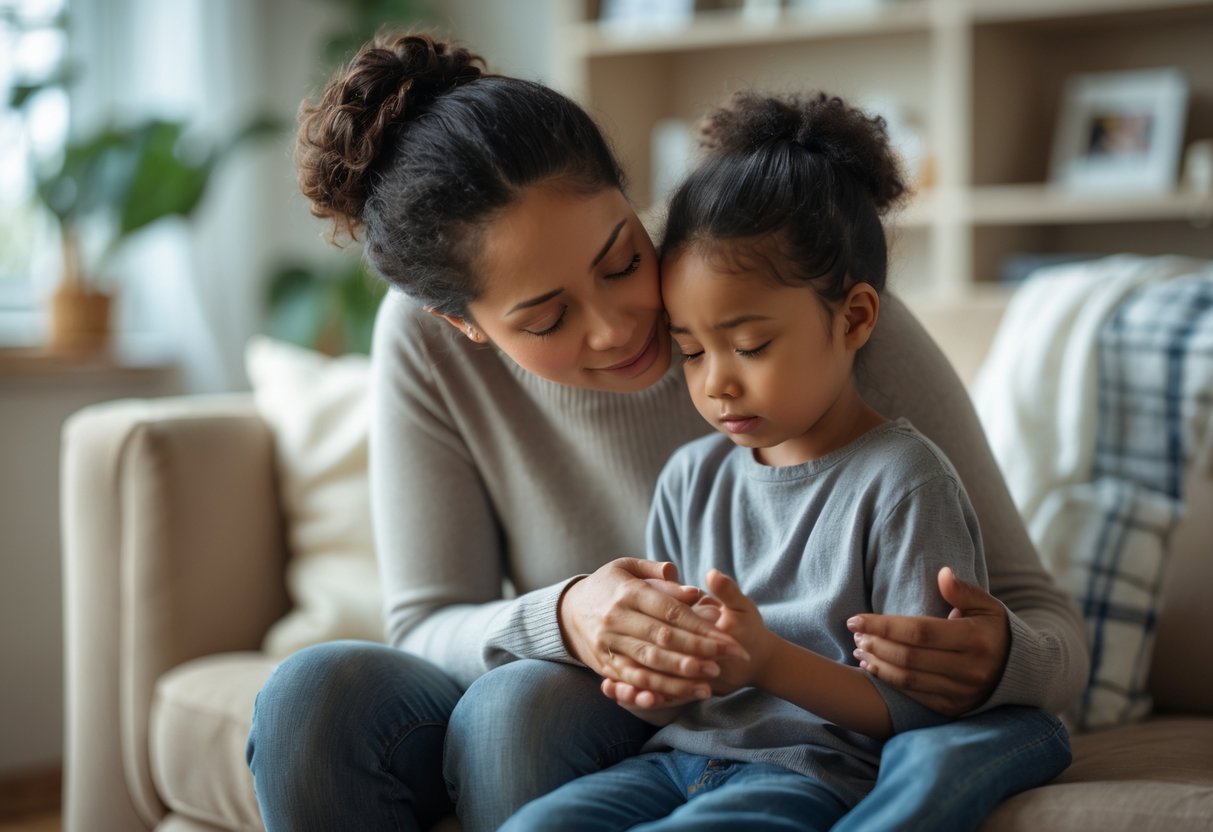
Children facing separation often experience strong emotions and uncertainty. Building their ability to cope with stress and knowing when to ask for help are key parts of supporting their emotional health.
Helping Children Develop Coping Skills
Teaching children coping skills helps them manage feelings related to family changes. Simple strategies like breathing exercises, journaling, or talking about their feelings can provide relief.
Encouraging problem-solving when challenges arise helps build confidence. It shows children they can handle difficulties.
Parents can model calm and positive responses to stress. This sets an example, helping children learn how to process emotions without becoming overwhelmed.
Establishing routines gives children a sense of stability during uncertain times. This lessens anxiety and supports emotional balance.
Using positive self-talk encourages children to replace negative thoughts with helpful ones, such as, “I can get through this.”
When to Seek Professional Support
Some children may need extra help beyond family support. Signs to watch for include persistent sadness, withdrawal from activities, sudden changes in behavior, or trouble at school.
If these issues last for weeks or interfere with daily life, professional evaluation is recommended. Mental health specialists, such as child psychologists or counselors, can provide tailored strategies to help children process emotions related to separation.
Therapy can teach coping skills, improve communication, and reduce stress. Early intervention helps prevent long-term emotional problems.
Professionals also guide parents on how to respond to their child’s needs effectively.
Utilizing External Resources
There are many external resources designed to support children after separation. Support groups for kids offer safe spaces to share feelings and learn from peers facing similar experiences.
These groups can reduce feelings of isolation. Parenting programs and workshops provide skills to manage the changes at home and foster resilience.
Schools often have counselors or social workers who can assist children in coping with family transitions. Books, apps, and online tools focused on emotional health can also offer exercises and information tailored to children’s development stages.
Accessing these resources along with family support creates a stronger network to help children adjust and thrive despite the challenges caused by divorce.
For practical strategies to build resilience and emotional strength in children, reviewing expert advice on raising resilient kids is recommended.
Frequently Asked Questions
Children need clear support, consistent routines, and honest communication to manage their feelings after separation. It’s important to protect them from parental conflict while encouraging strong relationships with both parents.
What are effective ways to help a child cope with their parents’ separation?
Children do better when parents reduce conflict and maintain a positive, cooperative approach. Offering emotional support, listening without judgment, and keeping daily routines stable provide security.
Encouraging children to express their feelings and reassuring them they are not to blame is crucial.
At what age is a child most affected by their parents’ divorce, and how can this be mitigated?
Children of all ages are affected differently. Younger children may feel confused, while teens might experience anger or isolation.
Parents can mitigate this by giving age-appropriate explanations. Maintaining consistency and staying involved in their child’s life fosters resilience and emotional safety.
What are suitable ways to explain the concept of divorce to a child when one parent is resistant to it?
Use simple, honest language tailored to the child’s understanding. Emphasize that the separation is not the child’s fault and that both parents still care deeply.
Avoid blaming either parent and focus on the child’s need for security and love from both caregivers.
What are some common things people should avoid saying to a child dealing with their parents’ divorce?
Avoid making negative remarks about the other parent or suggesting the child should take sides. Statements like “This is all your fault” or “You have to choose” increase stress and confusion.
It’s important not to overwhelm the child with too many details or adult concerns.
How can you address the psychological impact on a child who has been separated from their parent?
Ensure regular contact with both parents if safe and possible, as this supports emotional well-being. Listen carefully to the child’s fears and feelings.
Providing reassurance and creating opportunities for bonding can reduce feelings of loss or abandonment.
What types of child therapy techniques are beneficial following their parents’ divorce?
Play therapy helps younger children express emotions they cannot verbalize.
Cognitive-behavioral therapy (CBT) supports older children in managing negative thoughts related to the separation.
Family therapy can improve communication and cooperation between parents and children.
Learn more about supporting your child through separation at How to Support Children after Parents Separate or Divorce.