When kids face challenges in co-parenting situations, it usually shows up in their behavior and emotions. Withdrawal, trouble sleeping, anxiety, and a real reluctance to switch between homes can all point to a child struggling with co-parenting.
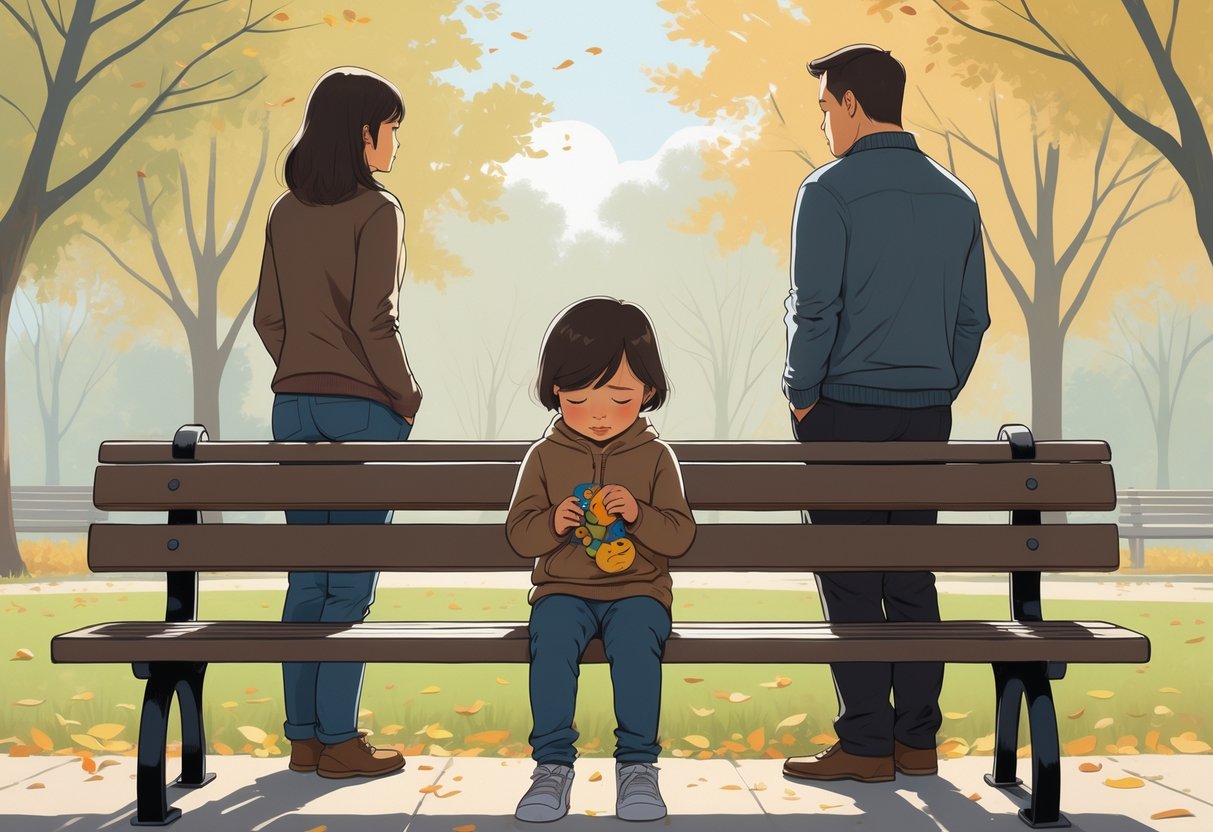
Co-parenting can bring tension between parents, and that tension seeps into kids’ lives in subtle but important ways. When parents stop communicating or start arguing, children might feel stuck in the middle or just unsure where they belong.
Noticing these signs early gives adults a chance to offer better support during tough transitions.
Key Takeways
- Kids often show changes in behavior when co-parenting gets tough.
- Emotional struggles can come from arguments or poor communication between parents.
- Early support helps protect a child’s well-being during family transitions.
Key Signs Your Child Is Struggling with Co-Parenting
Kids often show clear signs when they’re having trouble with their parents’ separation and the twists of co-parenting. You might notice emotional shifts, struggles with new routines, changes at school, or even a kid who suddenly pulls away from friends.
Spotting these signs early makes it easier to step in and help.
Emotional and Behavioral Changes
Children dealing with co-parenting struggles usually show emotional changes. They might seem more anxious, scared, or sad, especially when moving between homes.
Irritability and mood swings can pop up. Sometimes they act out at school, fight with siblings, or resist rules.
You might see them cling to one parent or avoid the other. These behaviors often mean the child feels stuck in the middle or confused by how their parents are handling things.
Difficulty Adjusting to Parenting Schedules
Switching between two homes isn’t easy for every kid. If the schedule keeps changing or parents can’t coordinate, it gets even harder.
Some kids resist going to one parent’s house or just look confused about what’s expected. Sleep problems, weird eating habits, or struggles with daily routines can show up.
These issues usually mean a child needs more predictable routines and better communication between parents.
Regression in Academic Performance
Struggles at home can spill over into school. You might notice slipping grades, unfinished homework, or a child who just can’t concentrate.
Family stress or arguments between parents can distract a child from schoolwork. Kids might feel torn by different expectations or overwhelmed by all the changes.
This kind of academic slip is a sign the child needs more support and a steadier home environment.
Social Withdrawal or Isolation
Some children start pulling away from friends or activities they used to love. Social withdrawal is a common way for kids to deal with stress or confusion about their family.
They might avoid group events, stop sharing about their day, or spend more time alone. If parents argue a lot or put pressure on the child to pick sides, this isolation can get worse.
Friendships matter, especially during tough family transitions, so it’s important not to miss this sign.
Common Emotional and Psychological Effects

Kids caught between co-parents often show clear signs of distress. These struggles can affect how they feel and think, so parents need to watch for them and step in when needed.
Heightened Anxiety or Stress
Children in high-conflict co-parenting situations often feel more anxious or stressed. They might have trouble sleeping, complain about stomachaches, or just seem restless.
A lot of this stress comes from feeling stuck between parents or worrying about arguments. Anxiety can make it hard to focus at school, lower their energy, and mess up social life.
Therapy can teach kids coping skills and give them a sense of safety. Positive parenting, with routines and support, helps lower anxiety by giving kids something steady to count on.
Divided Loyalties and Guilt
Many kids feel torn between their parents. They might feel guilty about spending time with one, worrying it’ll hurt the other.
This emotional tug-of-war can leave them confused and afraid to share how they really feel. Some kids withdraw or avoid talking to either parent just to keep the peace.
Parents can help by encouraging honest conversations and letting their child know it’s okay to love both parents.
Low Self-Esteem or Insecurity
Difficult co-parenting situations can make kids doubt themselves. Too much conflict or feeling ignored can chip away at their confidence.
You might see sadness, low self-worth, or a fear of rejection. Therapy can help rebuild self-esteem by teaching healthy ways to handle feelings.
When parents put the child’s needs first and offer encouragement, kids start to feel more secure.
Communication and Co-Parenting Dynamics
How parents talk and work together really matters for a child’s emotional health. When parents communicate clearly and work as a team, kids tend to feel safer.
But when communication breaks down or parents fight, kids often react with stress or confusion.
Impact of Ineffective Communication
When parents don’t communicate well, kids get mixed messages. Sudden changes in plans or misunderstandings can make them anxious.
Arguments or ignoring each other’s concerns create tension that kids pick up on, even if they don’t understand all the details. Inconsistent rules between homes can leave a child unsure who to listen to.
This confusion can turn into frustration or cause them to withdraw. Missed info about schedules or needs just makes things harder.
Parents who focus on facts, use neutral words, and avoid blame usually see less conflict.
Conflicting Parenting Styles
When parents have totally different approaches, kids get confused. Maybe one parent’s strict and the other’s more relaxed.
This can leave a child unsure what’s expected. Differences in discipline or routines need compromise, or else kids end up testing boundaries or feeling lost.
It helps when parents agree on basic rules and consequences before things get heated. Respecting each other’s styles while focusing on the child’s needs makes a big difference.
Signs of Unresolved Parental Conflict
Kids often feel the tension from ongoing fights between parents. Signs include anxiety, anger, or pulling away.
You might see a child avoid talking about visits, look sad, or struggle at school. Using the child as a go-between, badmouthing the other parent, or open hostility are big red flags.
This kind of environment can hurt a child’s sense of loyalty and safety. Calm discussions or mediation help parents work things out, and kids benefit when they see respect and problem-solving.
For more on tough communication, check out 12 Red Flags in Co-Parenting Communication.
External and Practical Challenges Impacting Children
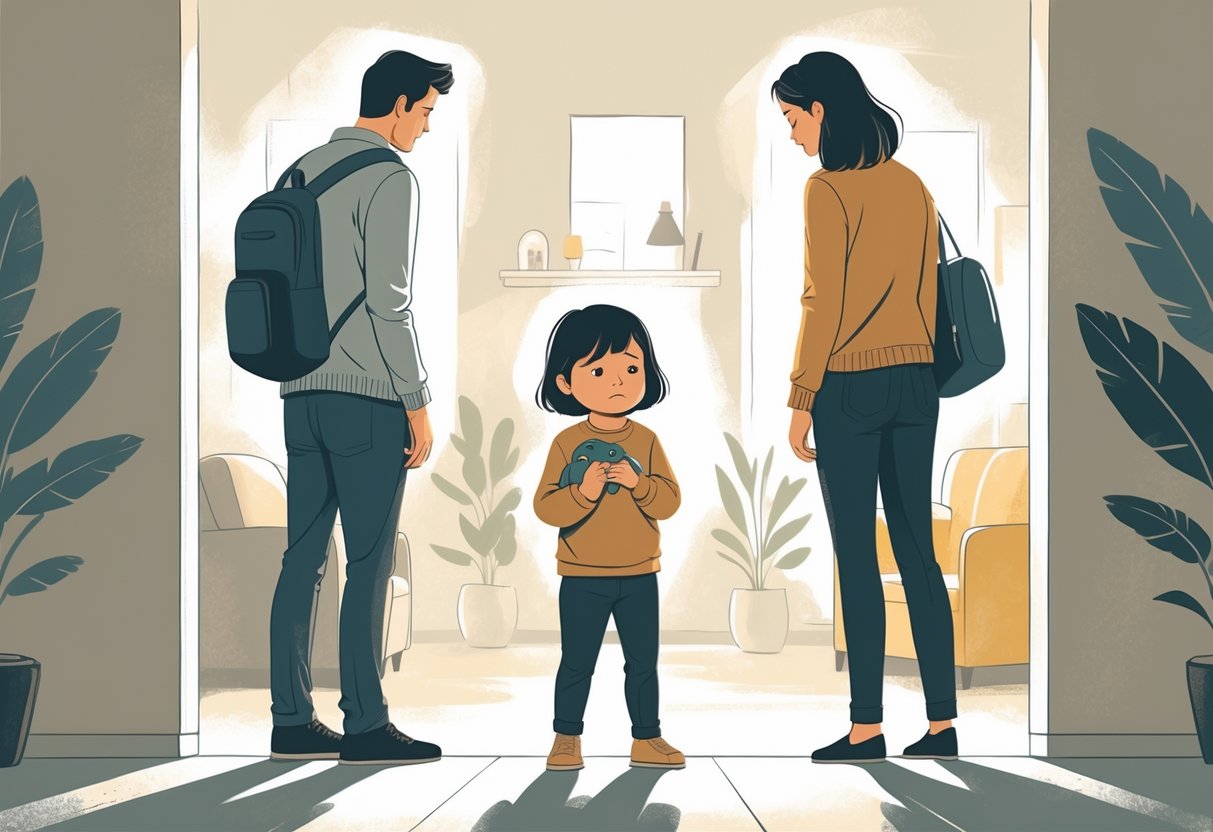
Kids face real-world challenges that shape how they handle co-parenting. Money troubles, mixed-up schedules, and moving around can all add stress.
These things affect a child’s day-to-day life and sense of security.
Financial Challenges and Stress
Money problems can make co-parenting even harder. When money’s tight, it’s tough to cover basics like clothes, school supplies, or fun activities.
Kids might feel left out or different from their friends. Stress about bills or missed support payments adds to the instability.
Children pick up on this tension. Parents should try to sort out expenses fairly and keep kids out of money arguments.
Complications with Shared Calendars and Routines
Scheduling can get messy if parents don’t coordinate. Missed appointments, double bookings, or rushed hand-offs can throw kids off.
Kids need steady routines—things like regular meals and homework time help them feel grounded. When routines change too much, kids can get unsettled, which shows up in their mood or schoolwork.
Co-parents do better when they use shared calendars or apps to keep things straight and put the child’s needs first.
Frequent Changes in Living Arrangements
Moving between homes all the time can make kids feel unstable. If living arrangements change a lot, kids lose that sense of a safe, familiar place.
This can cause emotional stress and make it hard for them to feel attached. A steady housing plan helps cut down on uncertainty.
Kids do better when they know where they’ll be and who they’ll be with. Parents should try to keep moves to a minimum and make both homes feel welcoming.
For more on these challenges, see Challenges of Co-Parenting Children.
Support Strategies and When to Seek Help

Good co-parenting means clear communication, shared goals, and steady routines. When things get rough, there are ways to strengthen teamwork and know when outside help is needed.
Prioritizing Supportive Co-Parenting
Supportive co-parenting puts the child’s needs ahead of personal disagreements. This means respecting each other’s parenting styles and working together on school, health, and daily life decisions.
Keeping talks calm and focused on solutions helps lower conflict. Shared calendars and written agreements make plans clearer.
Parents should answer the child’s questions honestly and keep things consistent on both sides. Stability in daily life matters most.
Role of Therapy and Professional Guidance
If a child keeps showing signs of stress—like withdrawal, anger, or trouble focusing—it might be time for therapy. A child therapist gives kids a safe space to talk and learn coping skills.
Family or co-parent counseling helps adults communicate better, set boundaries, and get on the same page. Mediation can help when conflicts just won’t budge.
Getting help early can stop small problems from growing. Parents can also find support in groups or their own counseling to stay healthy while co-parenting.
Building Consistency and Predictability
Kids need routines and predictable environments, especially when families change. Co-parents should agree on basics like bedtime, homework, and discipline to keep things steady.
Small rituals—like regular check-ins or shared celebrations—give kids emotional security. Consistency also means keeping promises and steady childcare.
When both parents show reliability, kids feel safer and can handle emotions better. A solid daily structure is the backbone of good co-parenting.
For more on getting help, see When to Seek Mental Health Support for Your Child or Teen.
Frequently Asked Questions
Kids can feel all sorts of things about co-parenting changes—confusion, sadness, even relief sometimes. It’s important to notice these feelings and respond with care.
How can I help my child adjust to co-parenting when they miss the other parent?
Let your child know it’s okay to miss the other parent. Encourage open conversations about their feelings and reassure them that both parents love them.
Try to keep up a routine, and make time for regular calls or video chats between visits. That little bit of connection goes a long way.
What steps should I take when my child expresses a desire to live with the other parent?
Listen closely and try not to react right away. Ask gentle questions so you can really understand where your child’s coming from.
Talk about your concerns with the other parent, but do it privately. If things feel stuck or tense, maybe a family counselor could help everyone sort through the feelings.
How can I manage my feelings while having to co-parent effectively?
Try to keep your focus on what’s best for your child, even when it’s tough. Using calm, neutral words during hand-offs or conversations can make a big difference.
Don’t be afraid to lean on friends, a therapist, or even a co-parenting class. Sometimes just talking it out helps keep your emotions in check.
What should I do if my child becomes upset about visiting the other parent?
Sit down with your child and talk things through calmly. Look for signs like fear, confusion, or just not wanting to go.
Work together with the other parent to build a routine that feels safe—maybe a goodbye ritual or a special message. Sometimes small gestures go a long way to ease anxiety.
How can I deal with a co-parent who refuses to consider therapy for our child?
Share your worries clearly, and frame therapy as a way to help your child, not as a criticism. If the other parent still refuses, it might be time to talk to a family mediator or get legal advice. Sometimes you need backup to make sure your child gets the support they need.
What are my options if I’m concerned about the people my co-parent introduces to our child?
Start by talking openly with your co-parent. Try to keep the conversation calm and focus on your child’s safety and comfort.
If things still feel off, you might want to reach out to a family counselor. Sometimes, getting a legal professional’s perspective can also help protect your child’s interests.