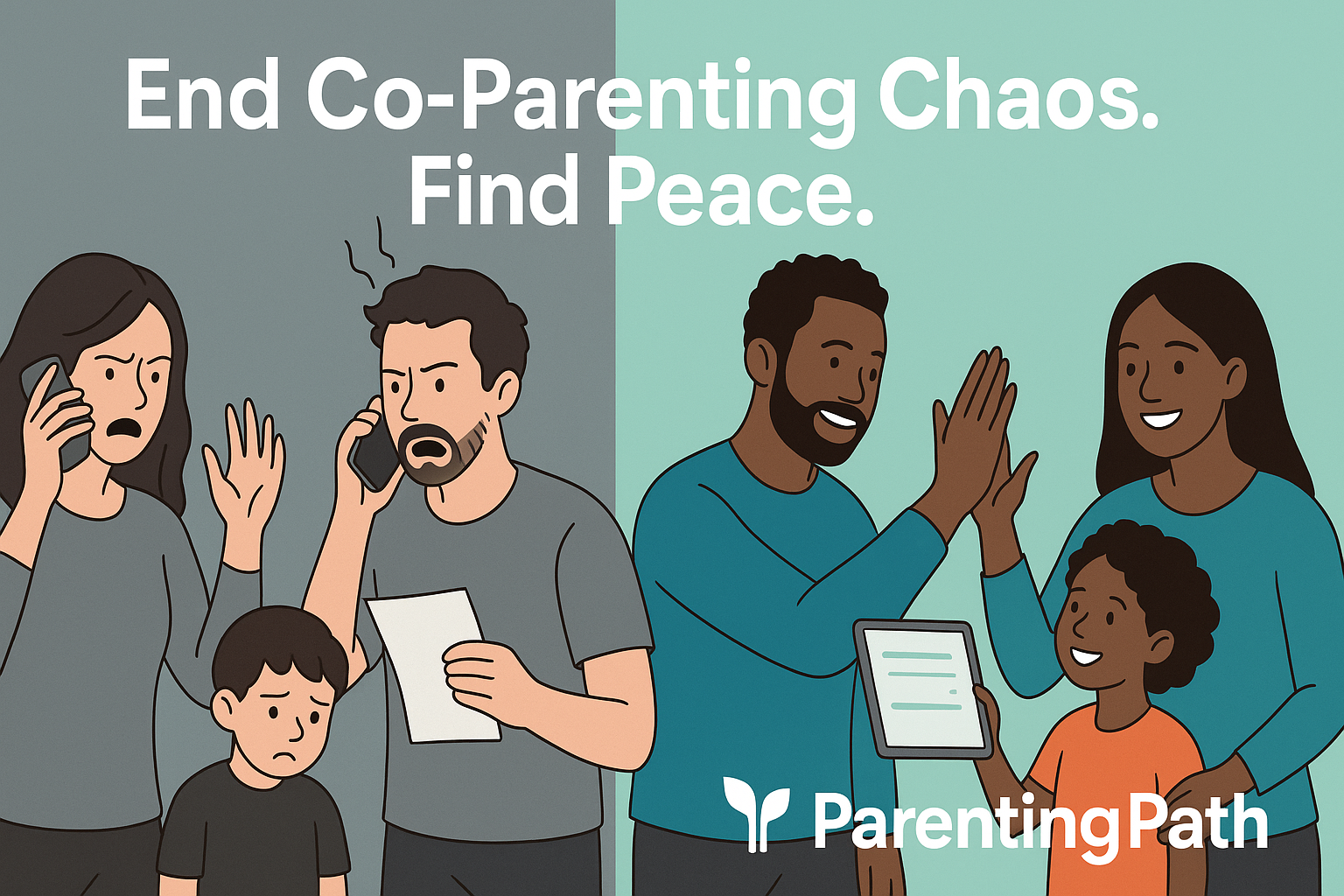
Co-parenting with a difficult ex can feel overwhelming, especially when emotions run high and communication breaks down. The key to managing this challenge is setting firm boundaries and focusing on clear, respectful communication that keeps the child’s best interests at the center.
Even if cooperation is hard, parents can find ways to work together for their child’s stability and well-being.

Understanding the nature of the difficulties — whether the ex is controlling, toxic, or simply hard to deal with — helps shape the approach. Using clear agreements and staying organized can reduce conflict and make day-to-day parenting smoother.
Help and legal guidance are also important tools in creating a safe and predictable environment for the child.
Key Takeaways
- Setting clear limits helps maintain a workable co-parenting relationship.
- Consistency and communication reduce conflicts and confusion.
- Support systems and legal options protect everyone involved.
Understanding Co-Parenting with a Difficult Ex
Co-parenting with a difficult ex involves managing emotions, communication, and parenting responsibilities amid ongoing conflicts. Success depends on recognizing the nature of the relationship and choosing the right approach to support the child’s well-being while minimizing tension between parents.
Defining High-Conflict Co-Parenting
High-conflict co-parenting occurs when parents engage in frequent disputes, poor communication, and resistance to cooperation. This environment usually features arguments about schedules, parenting choices, or decision-making.
The conflict often stems from unresolved feelings related to the divorce or personal differences. Parents in high-conflict situations may find their interactions stressful and draining.
This type of co-parenting impacts both adults and children, as ongoing tension can cause emotional distress and instability. It requires clear boundaries and strategies to manage disagreements without escalating conflict.
Key Differences Between Co-Parenting and Parallel Parenting
Co-parenting involves active cooperation and communication between parents to raise their children together. Both parents share decisions and collaborate regularly.
Parallel parenting, by contrast, limits communication and interaction between parents. It is often used when cooperation is not possible due to ongoing conflict.
Instead, parents operate independently, focusing on their own parenting time and responsibilities. Parents with a difficult ex often adopt parallel parenting to protect their mental health and maintain stability for the child.
Common Challenges after Divorce
After divorce, parents face multiple challenges when co-parenting with a difficult ex. Trust may be broken, leading to suspicion and guarded communication.
Differing parenting styles can cause disagreements about discipline, routines, and education. Logistics such as scheduling visits and holidays can become sources of tension.
Additionally, emotional baggage from the divorce can trigger maladaptive behaviors, like manipulation or withholding information. Children may feel caught in the middle, increasing stress for both parents.
Establishing Clear Boundaries and Communication
Setting limits and choosing the right ways to communicate are key parts of managing interactions with a difficult ex. Clear rules help avoid confusion and conflict.
Thoughtful communication methods keep conversations focused and less emotional. Together, they form a structure that supports stable co-parenting and protects the child’s well-being.
Setting and Enforcing Boundaries
A co-parent must create firm, clear boundaries with a difficult ex to protect their time, emotional health, and parenting rights. Boundaries include sticking strictly to the custody schedule and refusing to accept last-minute changes without discussion.
Documenting any violations of the custody agreement is essential for legal protection. Boundaries also mean limiting communication to child-related topics only.
Personal attacks or old arguments should be shut down quickly and calmly. Using written forms of communication helps maintain these boundaries and provides a record in case legal action is needed.
Here are key boundaries to enforce:
- Follow the court-ordered custody plan exactly
- Use written messages for scheduling and updates
- Refuse to discuss anything unrelated to parenting
- Set limits on when and how contact occurs
Effective Communication Methods
Choosing appropriate communication tools reduces conflict. Written methods like text, email, or co-parenting apps are best when emotions run high.
They prevent misunderstandings and create a clear timeline of exchanges. Co-parents should agree on how often to communicate about the child and keep messages brief and focused.
Avoid phone calls if they often lead to arguments. When discussing the child, use neutral language and steer conversations back to parenting issues when the ex strays.
Tips for communication:
- Use co-parenting apps or email for scheduling
- Keep messages short and specific
- Avoid emotional language or personal comments
- Confirm plans in writing to avoid confusion
Managing Emotional Triggers
Dealing with a difficult ex often means managing emotional minefields. Recognizing what triggers anger or frustration helps prevent escalation.
A calm response to insults or manipulation protects the co-parent’s mental health. Ignoring attempts to provoke a reaction is powerful.
When faced with emotional bait, responding with simple, neutral statements or no reply reduces conflict. Co-parents should also seek support from friends, counselors, or support groups to cope with stress.
Strategies include:
- Pause before replying to emotional messages
- Avoid engaging in personal attacks
- Use stress relief techniques like deep breathing
- Focus discussions solely on the child’s needs
Learn more about setting boundaries in co-parenting relationships.
Creating and Following Custody Agreements

A custody agreement clearly states how parents will share responsibilities for their child. It defines who makes big decisions, where the child lives, and how often each parent spends time with them.
Sticking to this agreement helps reduce conflicts and protects everyone’s rights.
Legal Custody Versus Physical Custody
Legal custody means the right to make important decisions about the child’s life. These decisions include education, health care, and religion.
Parents can share this responsibility through joint legal custody, where both have equal say. Alternatively, one parent may have sole legal custody, meaning only they make these decisions.
Physical custody decides the child’s living arrangements. Sole physical custody means the child lives mostly with one parent, while joint physical custody means the child spends significant time with both.
This does not always mean equal time, but both parents stay involved in daily life. Understanding the difference between legal and physical custody helps parents focus on what affects their child most.
It also clarifies what rights each parent holds within the custody agreement.
Role of Joint and Sole Custody
Joint custody aims to involve both parents in the child’s upbringing. It usually requires cooperation and clear communication.
Parents share decision-making and parenting time, which can benefit the child’s stability and well-being. Sole custody assigns these powers to one parent.
This may happen if one parent is unfit or unwilling to cooperate. Sole custody can cover legal or physical custody or both.
In these cases, the other parent might have limited or supervised visitation. Choosing the right custody arrangement depends on the child’s best interests and the parents’ ability to work together.
Courts often prefer joint custody but will prioritize safety and stability above all.
Modifying Custody Agreements When Needed
Custody agreements can be changed if circumstances shift. Parents can request modifications if there’s abuse, neglect, or if one parent consistently breaks the agreement.
Common reasons for changes include a parent moving far away or the child’s needs evolving, such as school changes or health issues. To modify an agreement, a parent usually files a petition with the court and must prove the change benefits the child.
It’s important to keep records of any violations or changes in circumstance. An attorney can advise parents on whether legal action is needed and how to build a strong case for modifying custody terms.
For detailed guidance on legal terms and boundaries, see how to manage custody in Alabama at Word Family Lawyer.
Managing Conflict and Protecting Children
Handling conflict with a difficult ex requires careful steps to shield children from stress and confusion. It also means spotting when manipulation occurs and keeping records of problematic behaviors to support fair decision-making.
Reducing Child Involvement in Parental Disputes
Children should never be caught in the middle of arguments between co-parents. When a high-conflict co-parent uses kids as messengers or involves them in disputes, it adds emotional pressure and can damage their sense of security.
To protect children:
- Never ask them to relay messages or information.
- Avoid speaking negatively about the other parent in their presence.
- Provide consistent reassurance that both parents love them.
Helping children focus on being kids, rather than becoming part of the conflict, promotes their emotional well-being and helps maintain stability despite parental tensions.
Recognizing Manipulation and Gaslighting
A difficult ex may use manipulation or gaslighting to control the co-parenting dynamic. This includes denying facts, twisting past events, or blaming the other parent unfairly to gain the upper hand.
Signs include:
- Persistent denial of agreed plans or conversations.
- Attempts to make the other parent doubt their memory or judgment.
- Shifting blame for problems onto the co-parent without cause.
Awareness of these tactics helps establish stronger boundaries and reduces emotional harm. Staying focused on written facts and avoiding emotional reactions limits opportunities for manipulation.
Documenting Problematic Behavior
Recording interactions and incidents is crucial when parenting with a difficult ex. Documentation offers proof of missed visitations, harmful actions, or communication issues that might otherwise be disputed.
Important items to document include:
- Messages and emails related to co-parenting matters.
- Changes or cancellations in schedules.
- Any concerning behaviors affecting the child’s welfare.
Using tools like co-parenting apps or email helps keep a clear, time-stamped record. This not only supports legal processes if needed but also encourages accountability and reduces manipulative behaviors.
For more detailed strategies on documenting conflicts in co-parenting, see 10 Co-Parenting Strategies That Work with a High-Conflict Ex.
Seeking Support and Legal Assistance

Navigating co-parenting with a difficult ex requires a clear understanding of when to seek help, relying on trusted support, and taking care of one’s own well-being. Knowing the right steps can protect parental rights and maintain stability for the child.
When to Consult Legal Professionals
Legal advice becomes essential when the custody agreement is frequently violated or communication breaks down completely. If one parent consistently denies visitation, makes unauthorized changes to the schedule, or refuses to cooperate on important decisions, consulting an attorney can help protect parental rights.
Courts prioritize the child’s best interests, and legal professionals can assist in filing for custody modifications or contempt of court if the other parent disobeys orders. In extreme cases of neglect or abuse, seeking sole custody may be necessary.
Having detailed records of violations, such as missed visitations or harmful behavior, strengthens the case. It’s important to work with a lawyer familiar with local divorce and custody laws to ensure the best outcome.
Leaning on Support Networks
Support from friends, family, or groups can offer practical help and emotional relief. Trusted individuals can provide advice, share experiences, or simply listen during stressful times.
Specialized support groups for parents in difficult co-parenting situations can also be valuable. Professional counseling or therapy is another resource.
Therapists can teach coping skills and help with managing conflict caused by a difficult ex. They also support parents in maintaining focus on their child’s needs rather than the conflict itself.
Having a strong support system improves resilience and helps maintain healthy boundaries.
Self-Care and Managing Stress
Maintaining emotional and physical health is crucial in high-conflict co-parenting situations. Stress from ongoing conflicts can affect parenting ability and overall well-being.
Daily routines like exercise, mindfulness, or engaging hobbies help reduce tension. Setting limits on interactions with the ex, such as using written communication tools, prevents escalation.
Practicing stress management techniques like deep breathing or short breaks during difficult conversations keeps one calm and focused. Prioritizing self-care supports clarity and patience, which benefits both the parent and the child.
Frequently Asked Questions

Co-parenting with a difficult ex involves understanding certain behaviors and knowing how to respond appropriately. Identifying harmful patterns, managing emotional challenges, and setting clear boundaries are essential to protect the child’s well-being.
Legal and practical strategies help maintain a stable environment despite conflict.
What indicators suggest that my ex is attempting to alienate our child from me?
Signs include the ex speaking negatively about the other parent in front of the child or trying to limit contact without a clear reason. They may also use the child as a messenger or put the child in the middle of disputes.
If the child suddenly resists visits or communication, alienation could be at play.
How can you effectively manage co-parenting with an emotionally immature former partner?
Setting firm boundaries and keeping communication focused on the child’s needs is key. Using written communication like texts or co-parenting apps reduces emotional conversations.
Avoid engaging in arguments and stay calm. Let legal agreements guide decisions.
What are the signs that a co-parent is exhibiting controlling behavior?
Controlling behavior can show up as the ex disregarding the custody schedule or making unilateral decisions about the child’s life. They may also try to manipulate situations to their advantage.
Monitoring or restricting communication between the other parent and child without cause is another sign.
What strategies can be adopted for dealing with a toxic ex while sharing custody of a child?
Stick strictly to the custody agreement and document any violations. Keep communication brief and focused on the child.
Engage legal counsel if necessary. Prioritize self-care to manage stress.
Avoid personal arguments and protect the child from exposure to conflict.
In what ways can harassment from a co-parent manifest, and how should it be handled?
Harassment may include frequent, unnecessary messages or false accusations. Attempts to interfere with parenting time are also common.
Limit communication to written forms and keep records of abuses. Seek legal assistance when needed.
Avoid responding to provocations.
Is it possible to lose custody rights for not engaging in cooperative co-parenting?
Yes, courts often expect parents to cooperate in the child’s best interest.
Consistently refusing to communicate or follow custody agreements can negatively impact custody decisions.
Legal advice should be sought to understand specific rights and responsibilities.
For more on managing difficult co-parenting situations, see how to co-parent with a difficult ex.