
Letting go of an ex can feel like the hardest step after a breakup. Emotional detachment means putting distance between yourself and the feelings tied to that past relationship.
It lets you stop getting overwhelmed by pain or anger and start gaining control over your emotional well-being.

This process isn’t about pretending the relationship didn’t matter or erasing memories. It’s more about understanding your emotions and learning to respond calmly instead of reacting on impulse.
By gently shifting focus away from your ex, you can start rebuilding life with a little more clarity and peace. That’s not always easy, but it’s possible.
Many people keep hoping the relationship will improve or cling to memories that just end up causing more hurt. Setting boundaries and learning to manage your feelings can help stop that cycle.
Key Takeways
- Emotional detachment helps manage feelings and protect mental health.
- Setting boundaries and controlling reactions supports healing.
- Growth and clarity come from creating space away from past attachments.
Understanding Emotional Detachment
Emotional detachment means separating your feelings from a past relationship so you can regain control and focus on your own well-being. It takes clear awareness of your emotions and a willingness to set boundaries that prevent ongoing pain.
Knowing how to emotionally detach can help avoid confusion and support your healing.
What Is Emotional Detachment?
Emotional detachment is about creating some distance between your feelings and the person who once meant a lot to you. It doesn’t mean ignoring what you feel or pretending those feelings aren’t there.
It’s more about accepting the reality of the breakup and reducing emotional dependence. This separation helps you stop feeling so overwhelmed by memories, worries, or longing.
Detaching from someone emotionally takes time and steady effort. The brain, used to those emotional rewards and dopamine hits, can react pretty strongly after a breakup. Honestly, that’s normal.
Recognizing these feelings as natural makes it easier to manage your reactions instead of letting them run the show.
The Difference Between Healthy and Unhealthy Detachment
Healthy detachment means setting boundaries and gaining perspective without shutting down all your emotions. You stay aware of your feelings but don’t let them control your actions or thoughts.
This kind of detachment supports growth, self-discovery, and the chance to build new relationships with a clearer head.
Unhealthy detachment, though, usually means avoiding or suppressing your feelings completely. Some people try to numb themselves or cut off connections too quickly, which can just pile up more pain or loneliness.
That approach doesn’t really help you heal. It can actually lead to emotional shutdown and isolation.
If you want more details on detaching in a healthy way, check out this guide on emotional detachment from an ex.
Why Emotional Detachment from Your Ex Is Necessary
Letting go emotionally after a breakup gives you space to heal and grow. It’s a way to protect your mental well-being and stop old feelings from messing with your daily life.
Recognizing when you need to detach helps you regain control.
Protecting Your Mental Health
Staying emotionally attached to an ex can take a toll on your mental health. It might stir up anxiety, depression, or stress—especially if the relationship was toxic.
Your mind can get stuck replaying the past, which just triggers more negative feelings. Detaching shields your brain from those constant reminders that throw you off balance.
It lowers the risk of mental health struggles by cutting down on rumination and emotional pain. This separation lets you focus on your own needs and rebuild self-esteem.
Setting boundaries—like limiting contact and stepping back from social media—is a big part of this. These moves create the space you need for your mind to recover.
Detachment really is a form of self-care. It’s about protecting yourself from those harmful emotional loops.
Recognizing Signs You Need to Detach
Some behaviors are clear red flags that it’s time to emotionally detach. If you’re always checking your ex’s social media or thinking about them all day, that’s a sign you’re still holding on.
Staying in on-and-off communication or needing their attention to feel okay keeps you stuck. These patterns keep the emotional dependence alive and block your progress.
If you can’t picture life without your ex or just feel trapped, it’s probably time to start detaching. Noticing these signs early helps you act before things get worse.
It also makes it easier to take practical steps toward healing and independence.
Want more details? Check out How to Emotionally Detach from an Ex and Heal.
Common Emotional Challenges After a Breakup
Breakups hit hard and bring a swirl of emotions that can feel impossible to handle. Sadness, frustration, and worry might all show up at once.
Understanding what you’re feeling helps guide the steps you need to heal and get back to some emotional balance.
Dealing with Grief and Loss
Grief after a breakup is a lot like mourning any big loss. There’s often a deep sadness and emptiness because someone important is suddenly gone.
You might notice changes in sleep, appetite, and energy. The loss isn’t just about the person—it’s also about the future you imagined together.
Accepting this reality takes time. Expressing what you feel—maybe through journaling or talking with friends—can help.
Bottling up grief just delays healing and makes the pain worse in the long run.
Managing Guilt and Anger
Guilt and anger are common after a breakup, but they’re often misunderstood. You might blame yourself for what went wrong or feel angry at your ex for things they did.
These emotions can trap you in endless “what if” thoughts. The truth? Both people usually play a role in a breakup.
Holding onto guilt or anger just adds stress and blocks your progress. Reframing negative thoughts and practicing self-compassion can help soften these feelings.
Understanding Anxiety and Emotional Distance
Anxiety after a breakup often comes from not knowing what’s next or fearing being alone. You might worry constantly or have irrational thoughts about future relationships or your own worth.
Sometimes, people create emotional distance as a way to protect themselves. But too much distance can make it hard to connect with anyone—even yourself.
Mindfulness exercises and grounding techniques can help calm anxious feelings. Finding a balance is key; too much detachment leads to isolation and slows recovery.
Building new routines and social connections helps restore trust and openness.
You can learn more about handling these emotions and setting boundaries at How to Emotionally Detach from an Ex and Heal.
Practical Steps to Emotionally Detach from Your Ex

Detaching emotionally means taking clear steps to break old patterns and create your own space. You’ll need to manage contact, change up your daily habits, and spend some time reflecting on your feelings.
These steps help you heal and build independence.
Setting Emotional and Physical Boundaries
Setting boundaries is crucial for emotional separation. Limit or cut off contact with your ex—yep, even if it feels harsh.
Blocking or muting them on social media stops those constant reminders that can mess with your head. Physical boundaries matter too.
Maybe you avoid places where your ex hangs out or limit interactions through mutual friends. Boundaries reduce emotional triggers and make room for new routines.
Stick to these limits, even when it’s tough. Respecting your own need for distance is how you start to regain control over your thoughts and feelings.
Replacing Old Routines
Old habits tied to your ex can keep you stuck. Start swapping those routines for new ones.
If you used to text every morning, try a walk or a new breakfast ritual instead. Changing up your environment helps too.
Move some furniture, put away gifts or photos, and find fresh places to hang out. Focus your new routines on personal goals, hobbies, or spending time with friends.
This helps you rebuild a sense of self that isn’t wrapped up in your ex.
Using Journaling and Reflection
Journaling can be a lifesaver here. Writing about your emotions helps you figure out what’s going on inside—and lets you vent safely.
You might spot patterns that keep you tied to your ex and start challenging them. Regular reflection helps you practice self-compassion.
Write down phrases like “I deserve peace” or “It’s okay to take time to heal” and come back to them. This kind of self-talk supports emotional self-care and builds confidence.
Journaling also helps you prepare for healthier relationships down the road by clarifying what you need and want.
For more on practical ways to detach, check out resources like how to emotionally detach from your ex and heal effectively.
Embracing Self-Care and Personal Growth
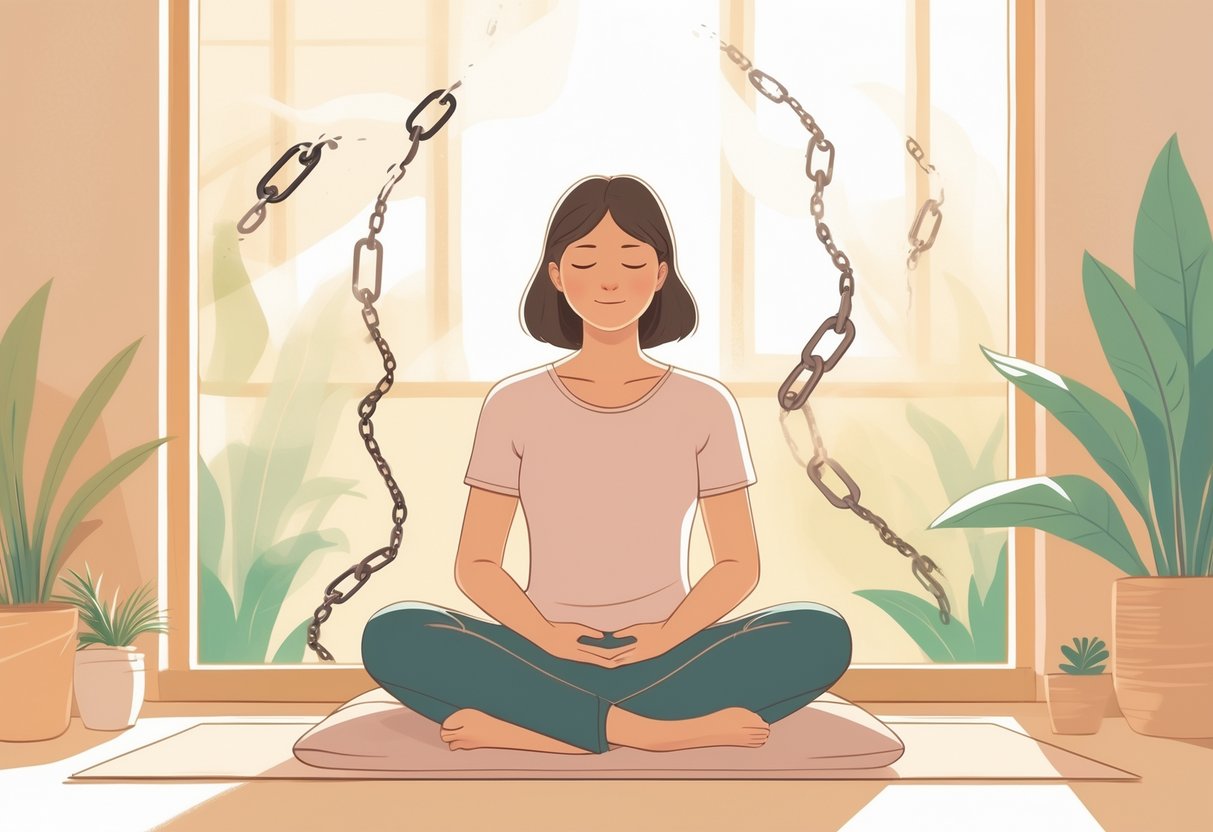
Recovering from emotional attachment means focusing on yourself for a while. Taking care of your daily needs and exploring new activities helps you rebuild your sense of identity and strength.
That’s how you make space for real healing.
Prioritizing Self-Care
Self-care is a huge part of emotional detachment. It means looking after your physical, emotional, and mental health—even when it feels awkward.
Regular exercise, enough sleep, and decent meals all help your body handle stress. For your mind, try journaling, mindfulness, or therapy.
These habits clear your head and loosen the grip of old attachments. They remind you that you’re in charge of your emotions—not your ex.
Building routines that nurture you makes it less likely you’ll slip back into old patterns. Plus, they reinforce your self-worth, showing you matter on your own.
Exploring New Interests and Hobbies
Jumping into new hobbies can be a game-changer. Try painting, learning an instrument, or joining a club—whatever sparks your interest.
Exploring new things shifts your focus from the past to your own growth. It boosts your confidence and opens up new possibilities for a happier life.
Even small steps, like reading a new genre or taking a cooking class, can make a difference. Over time, these moments of accomplishment help you build a positive identity that stands apart from old emotional ties.
That’s a big part of healing, honestly.
For more steps on self-care and detachment, there’s a good guide on Embracing Self-Care.
Seeking Professional Support When Needed

Sometimes, you just get stuck or overwhelmed. That’s when professional help can make a big difference.
Therapists offer tools to manage tough emotions, clarify your thoughts, and rebuild your mental health after a hard breakup. Knowing when to reach out can speed up recovery and help you cope better.
How Therapy Can Help
Therapy gives you a safe place to talk about the feelings that come up during a breakup. A good therapist helps you spot patterns in your relationships and understand what went wrong.
They guide you through grief, anger, and confusion without judgment. Many therapies, like CBT, focus on building resilience and self-worth.
You can learn to change negative thoughts and pick up practical coping skills—like mindfulness or setting boundaries. These tools are crucial for detaching emotionally from an ex.
Regular sessions give you steady support, which makes it easier to keep moving forward, even when you hit bumps in the road.
Recognizing When to Ask for Help
If emotional pain starts interfering with your daily life or just won’t go away, it’s time to ask for help. Signs include ongoing anxiety, insomnia, obsessive thoughts, or feeling totally stuck.
Struggles with self-esteem after a toxic breakup are another red flag. If you keep getting pulled back into unhealthy contact or habits, a therapist can help you set boundaries and gain clarity.
Sometimes, self-care and friends aren’t enough. That’s okay. Timely support from a mental health pro can prevent months of distress and set you up for healthier relationships later.
For more guidance, you can check out expert resources at feeltogrow.com.
Frequently Asked Questions
Emotional detachment isn’t just one thing. It’s a mix of setting boundaries, managing your thoughts, and slowly building new habits.
Healing takes time, and everyone’s journey looks a bit different. Consistent effort, though, usually leads to progress.
Sometimes you still have to see or talk to your ex. Even then, practical techniques and a shift in mindset can help you loosen those emotional ties.
What steps can I take to stop being emotionally attached to my ex?
Start by letting yourself feel your emotions instead of pushing them away. It’s uncomfortable, but it’s necessary.
Set clear boundaries—maybe that means less contact or even muting them on social media for a while. That way, you’re not constantly triggered.
Try challenging your negative thoughts and swap them for more realistic ones. It’s not easy, but it helps restore some balance.
Find your way back to hobbies or interests you might’ve put aside. Building new routines can chip away at emotional dependence.
Is there a typical timeframe for emotionally detaching from an ex-partner?
There’s no set timeline here. It depends on things like how long you were together, how intense the relationship was, and your own resilience.
Some people notice changes in a few months, others need more time. It’s rarely a straight line, so patience matters.
What are effective ways to emotionally let go of an ex?
Let yourself grieve—feel the sadness, anger, or whatever comes up. That’s part of moving forward.
Journaling or talking to a therapist can really help. Sometimes just getting it out makes a difference.
Mindfulness and self-compassion can quiet the endless overthinking. Changing up your daily routine and getting rid of physical reminders of your ex can make things easier.
How can I emotionally distance myself from a former significant other I still interact with regularly?
Set strong emotional boundaries, even if you still have to see them. Try to keep conversations short and stick to neutral topics.
Mute or limit their social media updates if you can. Out of sight, out of mind—at least a little.
Lean on friends or pick up activities you enjoy. New sources of support make a big difference.
Can you suggest methods to emotionally detach from a past relationship with someone I deeply loved?
Try writing a letter where you spill out everything you feel, then throw it away. It sounds odd, but it can be really freeing.
Picture a future where you’re not emotionally dependent on your ex. It’s a small mental shift, but it helps.
Remind yourself that both people play a role in how a relationship unfolds. Let go of self-blame.
Set new goals and focus on rebuilding your sense of self. That’s where the real healing tends to happen.
What are some guaranteed strategies for emotional detachment after a breakup?
Honestly, nothing guarantees instant detachment. But if you mix boundary-setting with actually feeling your feelings and shifting how you think about things, you’ll probably see the most progress.
Try not to get stuck idealizing the past or hanging onto hope that things will magically fix themselves. That just makes it harder.
If tough emotions keep lingering, reaching out for professional support can really help. Taking care of yourself and letting change happen at its own pace—well, that’s what eventually brings some real emotional freedom.
For more steps and insights, see how to emotionally detach from your ex and heal.