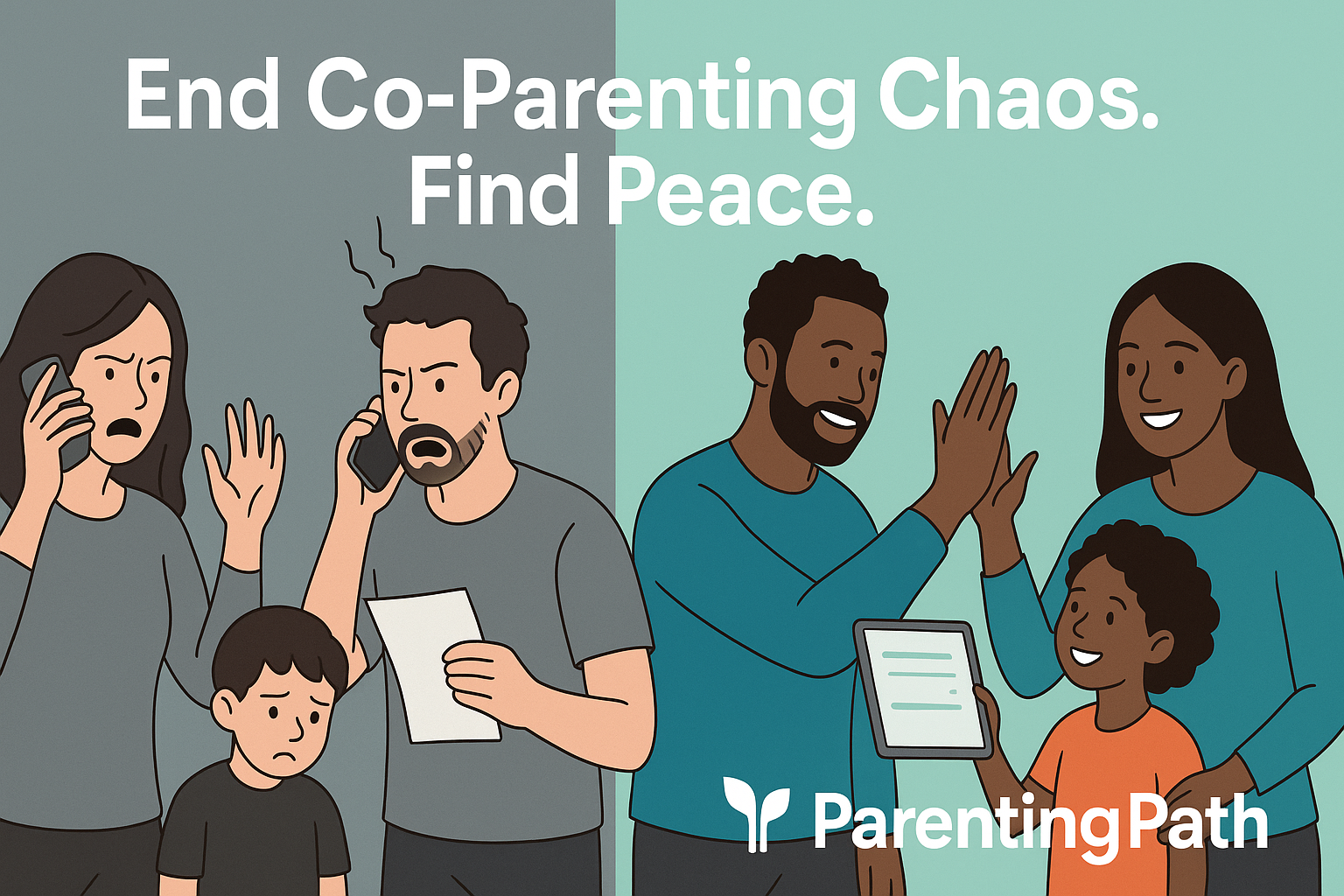
Co-parenting after separation or divorce brings a lot of anxiety. Managing these feelings matters because unchecked anxiety can mess with communication and decision-making.

Many parents worry about their child’s well-being, run into conflict with their co-parent, and struggle to adjust to new family roles. Recognizing these feelings and responding with honest, calm dialogue helps reduce tension and build trust.
Setting clear boundaries and seeking support when needed also helps a lot.
Understanding Co-Parenting Anxiety
Co-parenting anxiety comes with specific challenges tied to raising kids after separation or divorce. Past relationship issues, different parenting styles, and outside pressures all play a role.
This anxiety shapes daily interactions and emotional responses for both parents and children.
Common Triggers and Causes
Unresolved emotions from the previous relationship—like resentment or guilt—often come back up and create tension. Shifting from a romantic partnership to a shared parenting role can feel uncertain and stressful.
If a co-parent acts controlling or narcissistic, anxiety levels can spike. Financial struggles and legal custody battles pile on more stress.
Managing new family dynamics, like new partners or step-siblings, adds another layer of complexity.
Impact on Parents and Children
Co-parenting anxiety takes a toll on parents’ mental and physical health. It can cause constant worry, emotional exhaustion, and a sense of helplessness.
Sometimes, parents avoid communication or become controlling, which strains the co-parenting relationship.
Kids notice this, too. When parents are anxious, it can create emotional distance or inconsistency in parenting.
Children may feel confused or insecure, which can affect their emotional well-being and sense of stability.
Recognizing Signs and Symptoms
Signs of co-parenting anxiety show up both emotionally and behaviorally. Parents might worry nonstop about their child’s welfare or question if their parenting plans are working.
Some feel overwhelmed or helpless. Others avoid interacting with their co-parent or try to control every decision.
You might spot inconsistent rules or notice a parent becoming emotionally distant from their child. Catching these signs early helps parents address anxiety before it causes bigger problems.
For more practical support, check out managing co-parenting anxiety.
Building Healthy Co-Parenting Relationships
Healthy co-parenting relationships come from clear agreements, respectful communication, and a fair split of duties. Parents who focus on organized plans and shared responsibilities make things more stable for their kids.
Establishing Clear Parenting Plans
A solid parenting plan spells out expectations for both parents. It covers custody, visitation, holidays, and who makes big decisions.
Writing it down helps reduce confusion and fights. Everyone knows who’s handling medical appointments or school stuff.
Plans should include how to update terms if the child’s needs change. Flexibility is important, but so is consistency.
A good plan brings stability and keeps misunderstandings to a minimum.
Fostering Mutual Respect
Respect is the backbone of any co-parenting relationship. Communicate calmly and listen without jumping to conclusions.
Valuing each other’s role makes cooperation easier and lowers tension.
Avoid blaming or criticizing. Stay focused on what’s best for the child.
Respect also means honoring boundaries and privacy. When parents acknowledge each other’s feelings, they build a stronger partnership for their child.
Balancing Parenting Responsibilities
Splitting up duties fairly means both parents pitch in for their child’s upbringing. This might include daily care, transportation, and discipline.
Divide tasks based on each parent’s strengths and availability. Regular check-ins help keep things balanced and let parents address problems before they grow.
Clear agreements on responsibilities create consistency for the child. Balanced duties also prevent burnout and build trust.
For more tips, check out Managing Co-parenting Anxiety.
Effective Communication and Conflict Resolution
Clear communication and calm conflict resolution make managing co-parenting anxiety a lot easier. Being able to speak respectfully, listen closely, and work through disagreements builds a more stable environment for everyone.
Respectful Communication Techniques
Speak in a way that respects the other parent’s feelings, even when the conversation is tough. Use calm, neutral language and skip the blame.
Try using “I” statements, like “I feel concerned when…” instead of pointing fingers. Avoid insults or name-calling.
Keep your tone steady and your voice calm. Respectful communication shows you value each other’s role and keeps the focus on the child.
Active Listening Skills
Active listening means actually hearing what the other person says instead of just waiting for your turn to talk. Make eye contact and nod or give small cues like “I see.”
Repeat back key points to confirm you understand. This reduces misunderstandings and emotional reactions.
It also encourages empathy and shows you’re open to the other parent’s point of view.
Managing Disagreements Productively
Disagreements happen. What matters is how you handle them.
Stay calm and avoid yelling or getting aggressive. Identify the main issue before jumping to solutions.
Work together to brainstorm compromises or alternatives. If emotions run high, set boundaries on topics or timing.
Focusing on shared goals—like what’s best for your child—can turn fights into opportunities for teamwork.
For more on communication and conflict, see managing co-parenting anxiety techniques at TalkingParents.
Protecting Children’s Well-Being During Co-Parenting

Children’s emotional well-being can be pretty fragile during co-parenting. Taking clear steps helps reduce their stress and bring some stability.
Focusing on their needs and managing your relationship goes a long way. Consistent routines and steady emotional support matter a lot.
Minimizing Children’s Anxiety
Kids pick up on tension between parents, even when you try to hide it. Keep parenting discussions private and don’t badmouth the other parent in front of your child.
Reassure your child that both parents love them and will work together for their good. Listen to their feelings and answer their questions honestly.
Use calm, clear language when talking about changes or plans. A predictable schedule helps kids know what to expect and lowers their stress.
Maintaining Consistency and Routines
Consistent routines give kids structure and comfort, especially when things are changing. Try to agree on key rules and daily schedules.
Keep bedtimes, meals, and homework routines as steady as possible. Share a calendar for visits and events to keep everyone in the loop.
Consistency in discipline and expectations helps kids understand boundaries. When both parents stick to similar approaches, it prevents confusion.
A joint effort to keep things stable lets kids focus on school and friends without extra stress.
Modeling Emotional Support
Parents set the tone for how kids manage emotions and stress. Showing calm and patience during conflict teaches healthy coping.
Express your feelings honestly but respectfully. Say things like, “I feel upset when…” to model clear communication.
Encourage your child to share their feelings and respond with empathy. Teach simple coping skills, like deep breathing or problem-solving.
If things get tough, seeking therapy or counseling shows your commitment to everyone’s well-being. This kind of modeling helps kids feel safe.
For more on managing co-parenting challenges and protecting children, visit Managing Co-Parenting Anxiety.
Self-Care and Seeking Support

Managing co-parenting anxiety means looking after your own well-being, too. Using practical tools and reaching out for help can make co-parenting less overwhelming.
Strategies for Managing Parental Stress
Daily habits that support emotional health go a long way. Even a short walk helps lower stress and boost your mood.
Mindfulness, like deep breathing or meditation, can help you stay calm and focused. Set boundaries to limit interactions that trigger conflict.
Prioritize sleep, eat well, and make time for hobbies. Don’t underestimate the power of a good support network—friends and family can offer both advice and a listening ear.
Staying connected helps you avoid isolation and keeps your coping skills sharp.
Utilizing Parenting Resources
Parenting tools make communication easier and cut down on confusion. Shared calendars keep schedules organized and prevent last-minute surprises.
Written parenting plans clarify responsibilities and help guide decisions. Online platforms for co-parents offer message tracking and neutral communication, which keeps things transparent.
Some communities offer workshops or classes to build your skills. These resources help you focus on your child’s needs instead of getting stuck in personal conflict.
When to Consider Therapy or Counseling
Sometimes anxiety starts to disrupt daily life or makes co-parenting impossible. That’s when professional support becomes really valuable.
Individual therapy can help you understand your emotions and learn coping strategies. Co-parenting counseling gives both parents a safe space to improve communication and resolve issues.
Therapists can help set boundaries and guide agreements that work for everyone. Getting help early can prevent things from getting worse.
Therapy supports emotional well-being for parents and children by creating a calmer environment. For more on using therapy to manage co-parenting stress, check out Managing Co-parenting Anxiety – Your Journey Through.
Frequently Asked Questions

Co-parenting brings a lot of practical and emotional challenges. Having clear strategies helps, especially when it comes to custody, communication, and tough behaviors.
How can I cope with the stress of joint custody arrangements?
Stress pops up from scheduling conflicts, communication problems, or just feeling a sense of loss. A detailed parenting plan and shared calendars help keep things organized.
Co-parenting apps can make communication clearer and reduce misunderstandings. Building routines around child drop-offs and exchanges adds predictability and makes transitions smoother.
If it all feels like too much, don’t hesitate to reach out for professional support—counseling or support groups can really help.
What are the common psychological effects on parents separated from their children?
Parents often feel anxious, sad, or guilty when they’re apart from their kids. Worrying about how to keep the relationship strong is pretty common.
Helplessness or frustration can creep in, especially when disagreements flare up. These emotions sometimes spill over into decision-making or make communication with the co-parent a real challenge.
What techniques can help manage emotions during child drop-offs in a co-parenting scenario?
Staying calm and putting the child’s needs first can take the edge off tense moments. It helps to prep in advance and keep drop-offs short and to the point.
Using “I” statements makes it easier to share feelings without starting a fight. If talking face-to-face gets tricky, a neutral third party or a co-parenting app can keep things civil.
How can I deal with a manipulative co-parent effectively?
Setting boundaries really matters when you’re dealing with manipulation. Keep a record of interactions—it might come in handy if things get heated or legal help is needed.
Try not to get pulled into power struggles, even when it’s tempting. If things get too tough, a mediator or legal pro can help keep communication on track and protect your peace of mind.
What are the indicators of a controlling co-parent?
Watch out for someone who constantly checks up on your parenting choices or refuses to meet you halfway. A controlling co-parent might also mess with schedules or ignore agreements you’ve both made.
Spotting these behaviors early gives you a chance to respond—maybe with clearer boundaries, some honest conversation, or even professional help if it comes to that.
How can I maintain my custody rights while struggling with co-parenting?
Staying involved in your child’s life really helps your custody case. Try to keep records of your parenting activities, communications, and any conflicts that come up.
Focus on your child’s needs, and show you’re willing to cooperate—even when it’s tough. That kind of effort can make a difference in custody situations.
If things get rocky, maybe reach out to a family law expert or try co-parenting counseling. Sometimes a little outside help can make a world of difference.
If you’re looking for more tips, check out managing co-parenting anxiety in detail at TalkingParents.