
Updated: 2026-06-07
Quick answer: A “Disney parent” (or “Disneyland dad”) is a parent — usually the one with less time — who fills that time with treats, gifts, and constant fun while skipping rules, routine, and discipline. It is rarely illegal and won’t by itself cost a parent custody, but steady indulgence can leave kids without the structure they need and undercut the other parent’s authority. The response is consistency, not competition: hold your own routines, skip the bad-mouthing, and keep the focus on the child’s stability across both homes.
Disclaimer: This article is general information, not legal or therapeutic advice. Every family and child is different. For your specific situation, consult a family-law attorney or a licensed mental-health professional in your jurisdiction.
You send your child to the other parent’s house for the weekend and they come back wired on soda, up past midnight two nights running, carrying a new gadget and the opinion that your house has too many rules. That pattern has a nickname: the Disney parent. This guide explains what it means, why it happens, what it does to kids, how courts actually see it, and how to respond without turning your home into a theme park to compete.
Table of Contents
- What is a Disney parent?
- Why does a parent become a Disney parent?
- Is being a Disney parent bad for kids?
- What do family courts think of Disney parenting?
- How do you co-parent with a Disney parent?
- Could you be the Disney parent?
- Frequently Asked Questions
What is a Disney parent?
A Disney parent is a parent who turns their time with the child into a near-constant stream of fun, gifts, and indulgence, while avoiding the ordinary work of parenting — rules, bedtimes, homework, chores, and consequences. The older term is “Disneyland dad,” though the pattern has nothing to do with gender; any parent can fall into it.
The classic signs are easy to spot:
- Weekends built around outings, treats, and screen time, with little structure.
- New toys, gadgets, or clothes handed over often, sometimes after the child complains about the other home.
- Few or no rules, late bedtimes, and skipped routines.
- Discipline left to the other parent, so one home is “fun” and the other is “strict.”
It often shows up after a separation, when one parent has the children less than half the time. The contrast with the everyday parent — who handles school nights, dentist visits, and “no, not before dinner” — is exactly what makes the label stick.
Why does a parent become a Disney parent?
Rarely out of malice. The pattern usually grows from understandable, if unhelpful, feelings.
Guilt. A parent who feels responsible for the separation, or who misses the children, tries to make their limited time feel special — and special slides into excessive.
Limited time. When you only have the kids a few days a month, spending one of them enforcing homework feels like a waste. So discipline gets dropped to protect the fun.
Wanting to be liked. After a breakup, a parent can be anxious that the children will prefer the other home. Being the easy, generous parent feels like a way to hold their place.
Competition. Sometimes it tips into rivalry — using fun and gifts to look like the better parent, or to make the other parent’s rules look harsh. When that becomes the point, it shades toward the dynamics in our guide to the narcissistic co-parent.
Naming the driver matters, because the response to guilt is different from the response to deliberate one-upmanship. Most Disney parenting is the first kind.
Is being a Disney parent bad for kids?
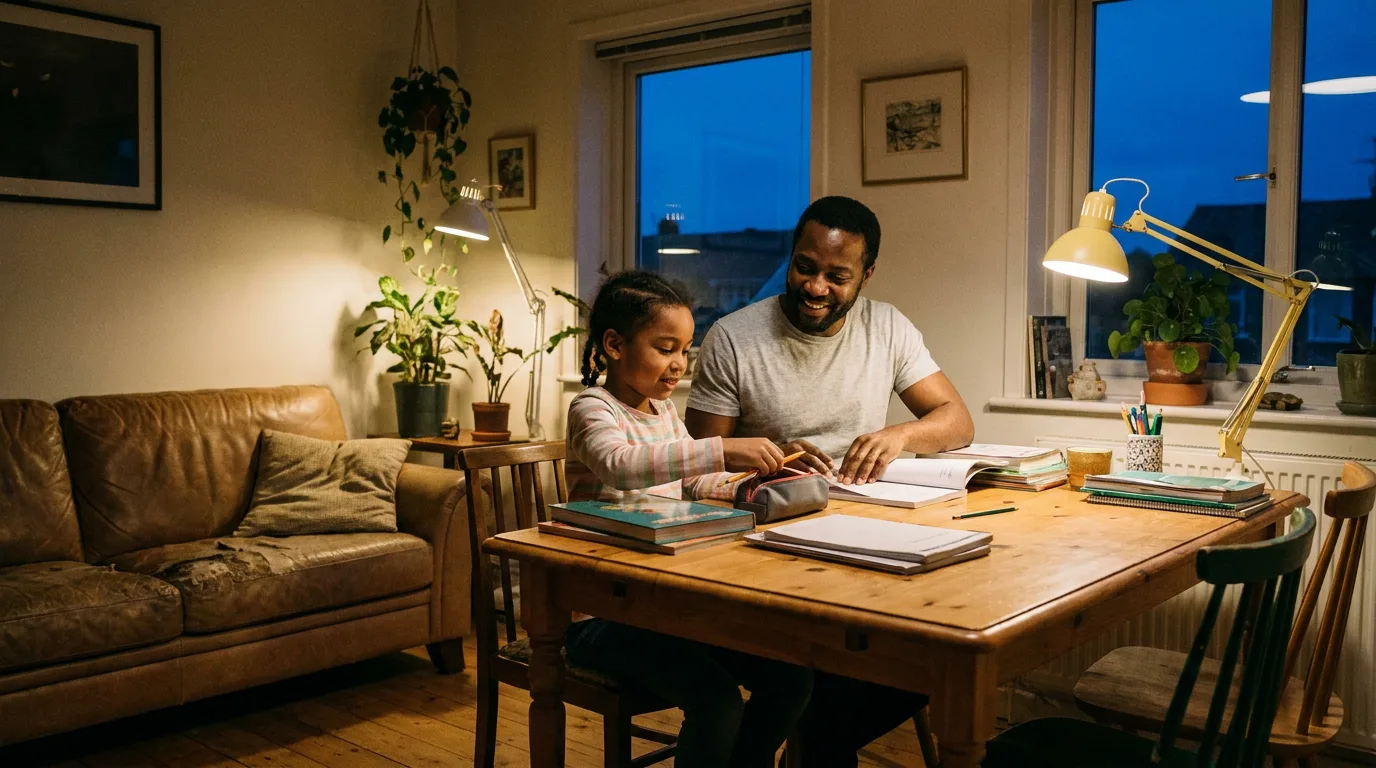
In small doses, no — a fun weekend is just a fun weekend. The problem is the steady diet. Child-development research is consistent that children do best with predictable structure: regular routines, clear limits, and consistent expectations. The American Academy of Pediatrics describes effective parenting as pairing warmth with consistent discipline and limits, not choosing one over the other.
When one home drops all structure, a few things tend to follow:
- Re-entry is harder. Kids return to the everyday home dysregulated, and the transition back into rules becomes a fight.
- The other parent gets cast as the villain. Structure starts to feel like punishment by comparison.
- Kids learn to play the homes against each other — a short-term win that erodes their security over time.
None of this means a child is harmed by one parent being more relaxed. It means constant indulgence, with no limits anywhere in that home, works against what children actually need. The APA’s guidance on divorce and children points the same direction: consistency and low conflict between homes protect kids more than any single parent’s generosity.
| Steady “Disney” pattern | Balanced approach |
|---|---|
| Rules dropped to protect fun time | Fun and basic limits coexist |
| Gifts used to win favor | Connection through attention, not purchases |
| Discipline left to the other home | Both homes hold reasonable expectations |
| Child returns dysregulated | Transitions stay predictable |
What do family courts think of Disney parenting?
Less than parents fear, and for a specific reason. Being the fun parent is not, on its own, a legal problem. Courts decide custody on the best interests of the child, and “buys too many toys” or “no bedtime on weekends” does not meet that bar. A judge will not change custody because one parent is more indulgent.
Where it can matter is when the pattern crosses into harm or undermining. If a parent’s lack of structure puts the child’s safety or wellbeing at risk, or if the indulgence is paired with bad-mouthing the other parent and trying to damage that relationship, those are best-interests factors — and they edge toward the territory covered in our guide to parental alienation. Courts also notice which parent supports the child’s relationship with the other, the “friendly-parent” factor.
So the practical read: don’t expect a court to police indulgence, but do keep a calm record if the behavior is genuinely harming your child or being used as a weapon. Our evidence checklist shows what actually carries weight if it ever reaches that point.
How do you co-parent with a Disney parent?
The instinct is to compete — to become fun too, or to crack down harder to compensate. Both backfire. The approaches that work are quieter.
Don’t compete on fun. You cannot out-spend a guilt-driven gift cycle, and trying turns your home into a second theme park with no anchor. Your value is being the steady, safe base — that matters more than you think.
Hold your routines without apology. Keep your bedtimes, homework expectations, and limits consistent. Children are reassured by structure even when they protest it. Don’t frame it as a contrast to the other home; just live it.
Skip the bad-mouthing. Criticizing the other parent’s choices in front of the child puts them in the middle and usually backfires. Let the steadiness of your home speak for itself.
Pick your battles. A late bedtime on Sunday is not worth a co-parenting war. Raise concerns that actually affect the child’s health or safety; let the small stuff go.
Communicate the real concerns calmly. If a pattern is genuinely harming the child — missed medication, no sleep before school — raise it factually, in writing, on a businesslike channel. Save the rest.
Could you be the Disney parent?
Worth asking honestly, because the pattern is easy to fall into and hard to see from the inside. A few questions:
- Do you drop rules and routines mainly because your time is short?
- Do you reach for gifts or treats when you feel guilty or worried the kids prefer the other home?
- Does your child come to expect a constant stream of fun, and struggle when it stops?
If some of that lands, it is fixable, and it does not make you a bad parent. Kids do not need you to be the most fun parent — they need you to be a reliable one. Add a little structure: a consistent bedtime, simple expectations, the occasional plain ordinary evening. Connection comes from attention and predictability, not from being the parent who never says no.
Frequently Asked Questions
What is a Disney parent?
A Disney parent (or “Disneyland dad”) is a parent who fills their time with the child with treats, gifts, and constant fun while avoiding rules, routine, and discipline. The pattern often appears after a separation, when one parent has the children less than half the time and wants their limited time to feel special. It applies to any parent, regardless of gender.
Is being a Disney parent bad for children?
A single fun weekend is harmless. The concern is a steady diet of indulgence with no limits, because children do best with predictable structure and consistent expectations. Constant indulgence can make transitions back to the everyday home harder, cast the other parent as the “strict” villain, and teach kids to play the two homes against each other.
Can you lose custody for being a Disney parent?
Not for indulgence alone. Courts decide custody on the child’s best interests, and being the fun parent does not meet that bar. It can become a factor if the lack of structure genuinely endangers the child, or if the behavior is paired with bad-mouthing and efforts to damage the child’s relationship with the other parent.
How do you co-parent with a Disney parent?
Don’t try to compete on fun — you can’t out-spend a guilt-driven gift cycle. Instead, keep your own routines and limits consistent without apologizing for them, avoid criticizing the other parent in front of the child, and pick your battles, raising only the concerns that affect the child’s health or safety. Your steadiness is the thing that protects the child.
Why do parents become Disney parents?
Usually out of guilt about the separation, the pressure of limited time, anxiety that the children will prefer the other home, or — less often — direct competition with the other parent. Most Disney parenting comes from love and insecurity rather than malice, which is why a calm, non-competitive response tends to work better than confrontation.
Note: This article is general information, not legal or therapeutic advice. Every family and child is different. For decisions about your specific situation, consult a family-law attorney or a licensed mental-health professional in your jurisdiction.