Updated: 2026-06-01
Quick answer: Emotionally detaching from your ex while co-parenting means letting go of the emotional charge — the hurt, anger, and hope — tied to the former relationship, so your interactions can become calm and business-like. It is not coldness or avoidance; it’s neutrality. You get there by allowing yourself to grieve the relationship’s end, setting emotional boundaries, structuring contact around logistics only, and reframing the other person from “my ex” to “my child’s other parent.” Detachment is one of the most useful co-parenting skills there is, because the lower your emotional reactivity, the lower the conflict — and less conflict is what most protects your children.
Disclaimer: This article is for general information only and is not legal, medical, or psychological advice. Custody and family law vary by state and country. For decisions affecting your children or your case, consult a licensed family attorney and, where appropriate, a qualified mental health professional.
The hardest part of co-parenting is often that you’re still entangled — emotionally — with someone you’re no longer with. Every late pickup, new partner, or parenting choice can land like a fresh wound because the old feelings are still active.
Emotional detachment is how you put that down. Not the love for your child, and not your involvement — just the emotional grip the former relationship still has on you. When that loosens, co-parenting stops being a series of provocations and becomes something closer to a working arrangement. This guide covers what healthy detachment looks like in a co-parenting context, how to build it, and why it matters so much for your kids.
Table of Contents
- Why does emotional detachment matter for co-parenting?
- What does healthy detachment look like?
- How do you detach while still co-parenting?
- How do you handle the grief of letting go?
- How does detachment protect your kids?
- Frequently Asked Questions
Why does emotional detachment matter for co-parenting?
Emotional detachment matters because the emotional charge you still carry toward your ex is the fuel for most co-parenting conflict. When their actions can still hurt or enrage you, every interaction is a potential fight; when the charge fades, the same interactions become manageable logistics.
The useful reframe is to treat co-parenting as a kind of business relationship — courteous, focused on the shared project (your child), and free of the personal history. That’s not cold; it’s what lets you respond to a schedule change with “okay, let’s adjust” instead of with everything the relationship still stirs up. The payoff isn’t only your own peace. The American Psychological Association finds that children’s adjustment after a separation depends heavily on the conflict they witness — and detachment is precisely what lowers that conflict at the source. So detaching from your ex isn’t about not caring; it’s about caring more effectively, for your child and yourself. The broader conflict-reduction strategy is in how to reduce conflict in co-parenting.
What does healthy detachment look like?
Healthy detachment is emotional neutrality, not emotional shutdown. It means the other parent’s choices and moods no longer dictate your feelings — you can interact calmly without either absorbing their drama or fighting to control them.

It helps to see detachment in action — in the gap between a still-attached reaction and a detached one to the same ordinary co-parenting moment.
| Trigger | Still-attached reaction | Detached response |
|---|---|---|
| They’re running late again | Anger, a pointed text, replaying old resentments | “Let me know your ETA.” — and move on |
| They have a new partner | Spiraling, questioning, hurt | Note it calmly; it’s their life now, not yours |
| They made a parenting choice you dislike | Trying to control or relitigate it | Address it only if it affects the child; otherwise let it go |
| They send a provoking message | Firing back, defending yourself | Answer only the logistical part, neutrally |
Notice what detachment is not: it’s not the silent treatment, not avoidance, and not pretending you don’t have feelings. It’s having the feelings without letting them drive your behavior. That distinction is what keeps detachment healthy rather than a new form of conflict.
How do you detach while still co-parenting?
You detach by working on the emotional side and structuring the practical side at the same time — processing the feelings while limiting the contact that keeps reactivating them. The two reinforce each other.

On the emotional side: let yourself actually feel the loss rather than suppressing it, stop looking to your ex for closure or validation (you won’t get it, and waiting keeps you tethered), and consciously reframe them in your mind from “my ex” to “my child’s other parent.” Writing out everything you feel in a letter you never send is a surprisingly effective release. On the practical side: set firm emotional boundaries, keep contact limited to child-related logistics, and route communication through a written, business-like channel so there’s less live emotional exposure — the patterns in co-parenting communication strategies that work and boundaries every co-parent should set are built for exactly this. Tending your own mental health underneath it all matters too; the National Institute of Mental Health’s guidance on caring for your mental health is a solid starting point. Detachment is a practice, not a switch — it gets easier with repetition.
How do you handle the grief of letting go?
Handle the grief by treating it as real grief — the end of a relationship is a genuine loss, and detachment isn’t possible until you let yourself mourn it. Rushing past the feelings is what keeps people stuck.
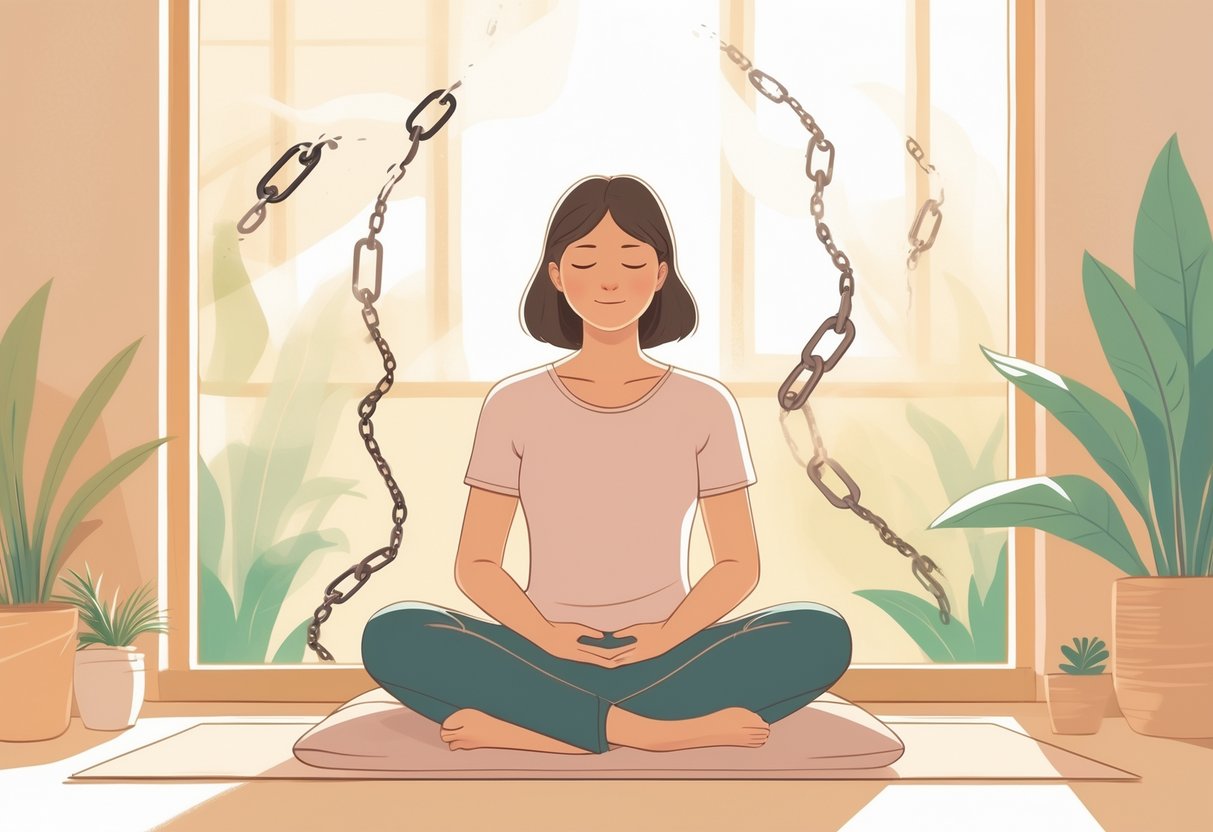
Allow the sadness, anger, and confusion to surface instead of forcing them down; suppressed feelings don’t disappear, they leak into the co-parenting. Give the process time — there’s no fixed timeline, and how long it takes depends on the length and intensity of the relationship and your own circumstances, so comparing yourself to anyone else isn’t useful. Lean on support: friends, a support group, or a therapist give the feelings somewhere to go that isn’t the co-parenting relationship or, worse, your child. And invest in your own life and well-being — rebuilding routines, interests, and connections is what fills the space the relationship occupied. The APA’s resources on managing stress are a useful reference for the toll this period takes. Grieving well is not a detour from detachment; it’s the path to it.
How does detachment protect your kids?
Detachment protects your kids by removing the emotional reactivity that drives parental conflict — and parental conflict is the single biggest factor in how children fare after a separation. A detached parent is a calmer, more present one.

When you’re no longer emotionally hooked, several good things follow for your child. You stop reacting to the other parent in front of them, which spares them the conflict that does the most damage. You model emotional regulation — they watch you stay steady under provocation and learn that it’s possible. And you free up the energy that fighting consumes to actually be present with them. You also become far less likely to pull the child into adult matters — to vent, to use them as a messenger, to make them choose — because the urge to do those things comes from the unresolved emotional charge you’ve set down. The link between lower conflict and better child outcomes runs through everything in how co-parenting affects children long-term, and managing your own ongoing stress, covered in managing co-parenting anxiety, is the companion skill to detachment.
Frequently Asked Questions
How do I stop being emotionally attached to my ex when we share kids?
Start by letting yourself feel the loss rather than suppressing it, then stop seeking closure or validation from them — waiting for it keeps you tethered. Reframe them in your mind as your child’s other parent rather than your ex, set firm emotional boundaries, and keep contact limited to child-related logistics. Detachment is a practice that strengthens with repetition, not an instant switch.
Is detaching the same as being cold or avoiding my co-parent?
No. Healthy detachment is emotional neutrality, not shutdown — you still communicate and cooperate on the child, you just don’t let the other parent’s moods or choices dictate your feelings. Coldness and avoidance create their own conflict and can hurt co-parenting. The goal is a calm, business-like working relationship, not silence or stonewalling.
How long does it take to emotionally detach from an ex?
There’s no fixed timeline — it depends on the length and intensity of the relationship, the circumstances of the split, and your own support and resilience. Give yourself permission to take the time it takes rather than measuring against anyone else. What speeds it up is actively grieving the loss, setting boundaries, and rebuilding your own life, rather than waiting to simply feel better.
How do I stay detached when we still interact regularly?
Set strong emotional boundaries and keep every interaction short and focused on the child. Use a written, business-like channel for logistics so there’s less live emotional exposure, and answer provoking messages only on the practical points. Prepare for predictable triggers — handoffs, schedule changes — in advance so you respond from a plan rather than from emotion in the moment.
What helps with the grief of letting go?
Let the feelings surface instead of forcing them down, since suppressed grief leaks into co-parenting. Give it time, lean on friends, a support group, or a therapist, and invest in rebuilding your own routines and interests. Writing an unsent letter expressing everything you feel can be a powerful release. Treating the end of the relationship as a real loss is what makes moving through it possible.
Will detaching from my ex help my children?
Yes, significantly. Detachment lowers your emotional reactivity, which lowers the parental conflict that most affects children’s adjustment after a separation. A detached parent reacts less in front of the child, models emotional regulation, and is far less likely to pull the child into adult matters. Caring for your own emotional state is, in this sense, direct care for your child.